Category: Evergreen

  • EAR Customized Hearing Protection Celebrates Over 50 Years of Precision Engineering Excellence

    BOULDER, CO – March 14, 2026 – PRESSADVANTAGE –

    EAR Customized Hearing Protection marks over five decades of delivering precision-engineered hearing protection solutions to industries and individuals worldwide. The milestone underscores the company’s position as a trusted leader in custom-fit and professional-grade hearing protection technology.

    Since its founding, the Boulder, Colorado-based company has established itself through rigorous quality control standards and advanced engineering processes that ensure optimal protection for users across industrial, law enforcement, shooting sports, and recreational applications. The company’s custom fitting process has evolved significantly over the decades, incorporating advanced materials and manufacturing techniques while maintaining the personalized approach that defines its service.
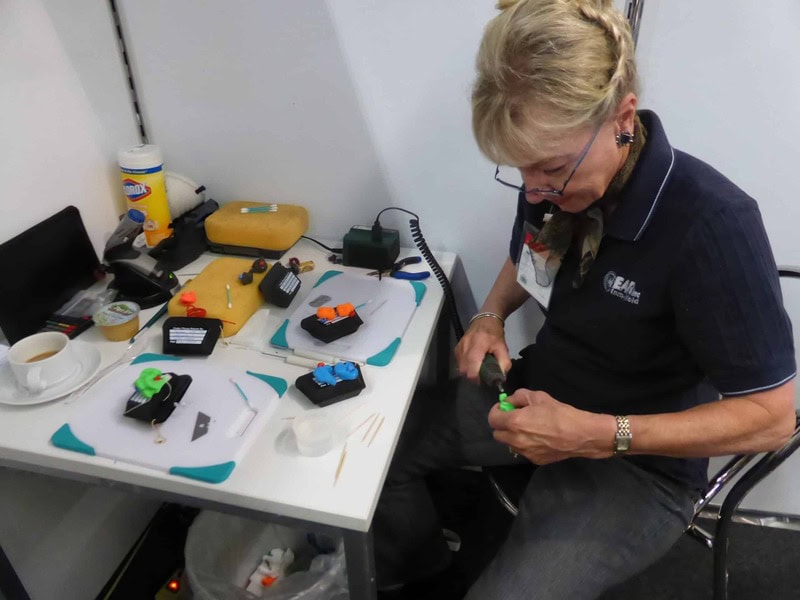
    EAR Customized Hearing Protection technician working on custom earplugs

    “Passing the 50-year mark represents more than longevity; it reflects our unwavering commitment to protecting hearing through precision engineering and customized solutions,” said Garry Gordon, CEO and Owner of EAR Customized Hearing Protection. “Every product we create undergoes extensive quality control measures to ensure it meets the professional-grade standards our clients depend on for their safety and comfort.”

    The company’s engineering depth extends beyond standard hearing protection offerings. Each custom-fit earplug begins with detailed impressions and measurements, followed by precision manufacturing processes that create products tailored to individual ear canal anatomy. This technical expertise has positioned the company as a preferred provider for organizations requiring reliable, comfortable hearing protection for extended use periods.

    Industrial clients particularly value the combination of protection and comfort that custom-fitted solutions provide. Workers in high-noise environments can wear their protection throughout entire shifts without the discomfort often associated with generic earplugs. Law enforcement and military personnel rely on specialized designs that protect against harmful noise levels while maintaining situational awareness.

    The shooting sports community has embraced EAR Customized Hearing Protection hearing solutions for their ability to reduce dangerous impulse noise while preserving the ability to hear range commands and environmental sounds. Recreational users appreciate the durability and long-term value of custom products compared to disposable alternatives.

    Throughout its history, the company has maintained its focus on craftsmanship and technical innovation. Quality control protocols examine each product at multiple stages of production, ensuring consistent performance and proper fit. This attention to detail has earned the trust of safety managers, audiologists, and individual users who recognize the importance of proper hearing protection.

    The company continues to invest in research and development, exploring new materials and technologies that enhance protection while improving user comfort. Recent advances in acoustic filtering and smart earplug technology represent the next evolution in personalized hearing protection, building on the foundation of five decades of engineering excellence.

    EAR Customized Hearing Protection operates from its Colorado headquarters, serving clients throughout North America and internationally. The company provides both custom-fitted and generic hearing protection solutions for industrial, law enforcement, shooting sports, and leisure applications. Its commitment to precision engineering and quality control has established it as a recognized leader in the hearing protection industry.

    ###

    For more information about EAR Customized Hearing Protection, contact the company here:

    EAR Inc.
    Garry Gordon
    (303) 447-2619
    help@earinc.com
    5763 Arapahoe Ave. STE L or M, Boulder, CO 80303 USA

    {
    “@context”: “https://schema.org”,
    “@graph”: [
    {
    “@type”: [“MedicalBusiness”, “LocalBusiness”],
    “@id”: “https://earinc.com/#organization”,
    “name”: “EAR Customized Hearing Protection”,
    “url”: “https://earinc.com”,
    “logo”: “https://earinc.com/wp-content/uploads/2025/02/ear-custom-earplugs-logo-50years.jpg”,
    “image”: “https://earinc.com/wp-content/uploads/2025/02/ear-custom-earplugs-logo-50years.jpg”,
    “description”: “Global leader in custom universal hearing protection. Silicone earplugs for shooting, music, sleep, swim, industry. 50+ years of innovation.”,
    “telephone”: “+1-303-447-2619”,
    “email”: “info@earinc.com”,
    “address”: {
    “@type”: “PostalAddress”,
    “streetAddress”: “5763 Arapahoe Ave. STE L or M”,
    “addressLocality”: “Boulder”,
    “addressRegion”: “CO”,
    “postalCode”: “80303”,
    “addressCountry”: “US”
    },
    “geo”: {
    “@type”: “GeoCoordinates”,
    “latitude”: 40.016397,
    “longitude”: -105.218618
    },
    “openingHoursSpecification”: [
    {
    “@type”: “OpeningHoursSpecification”,
    “dayOfWeek”: [“Monday”, “Tuesday”, “Wednesday”, “Thursday”],
    “opens”: “08:00”,
    “closes”: “16:30”
    },
    {
    “@type”: “OpeningHoursSpecification”,
    “dayOfWeek”: “Friday”,
    “opens”: “08:00”,
    “closes”: “12:00”
    },
    {
    “@type”: “OpeningHoursSpecification”,
    “dayOfWeek”: [“Saturday”, “Sunday”],
    “opens”: “00:00”,
    “closes”: “00:00”
    }
    ],
    “priceRange”: “$$”,
    “sameAs”: [
    “https://x.com/earplugsforyou”,
    “https://www.facebook.com/earplugsforyou/”,
    “https://www.youtube.com/@e.a.r.customizedhearing5165”
    ],
    “hasMap”: [
    {
    “@type”: “Map”,
    “name”: “Google Maps – E.A.R. Customized Hearing”,
    “url”: “https://maps.app.goo.gl/ujWydZ9UtBZhJLLv5”
    },
    {
    “@type”: “Map”,
    “name”: “Apple Maps – E.A.R. Customized Hearing”,
    “url”: “https://maps.apple.com/place?address=5763%20Arapahoe%20Avenue,%20Unit%20L,%20Boulder,%20CO%20%2080303,%20United%20States=40.016397,-105.218618=E.A.R%20Customized%20Hearing=I2AEC2E885040F150=explore”
    }
    ]
    },
    {
    “@type”: “WebSite”,
    “@id”: “https://earinc.com/#website”,
    “url”: “https://earinc.com”,
    “name”: “EAR Customized Hearing Protection”,
    “publisher”: { “@id”: “https://earinc.com/#organization” },
    “potentialAction”: {
    “@type”: “SearchAction”,
    “target”: “https://earinc.com/search?q={search_term_string}”,
    “query-input”: “required name=search_term_string”
    }
    },
    {
    “@type”: “WebPage”,
    “@id”: “https://ear-customized-hearing-protection.github.io/earinc/#webpage”,
    “url”: “https://ear-customized-hearing-protection.github.io/earinc/”,
    “name”: “EAR Hearing Protection – Links, Products Resources”,
    “description”: “Custom universal earplugs for all applications. Find providers, products, and hearing tips from E.A.R. Customized Hearing”,
    “isPartOf”: { “@id”: “https://earinc.com/#website” },
    “breadcrumb”: { “@id”: “https://ear-customized-hearing-protection.github.io/earinc/#breadcrumb” },
    “primaryImageOfPage”: {
    “@type”: “ImageObject”,
    “url”: “https://earinc.com/wp-content/uploads/2025/02/ear-custom-earplugs-logo-50years.jpg”
    }
    },
    {
    “@type”: “BreadcrumbList”,
    “@id”: “https://ear-customized-hearing-protection.github.io/earinc/#breadcrumb”,
    “itemListElement”: [
    {
    “@type”: “ListItem”,
    “position”: 1,
    “name”: “Home”,
    “item”: “https://ear-customized-hearing-protection.github.io/earinc/”
    }
    ]
    }
    ]
    }
    {
    “@context”: “https://schema.org”,
    “@type”: “PressRelease”,
    “description”: “EAR Customized Hearing Protection highlights more than 50 years of experience in precision hearing protection engineering, emphasizing craftsmanship, quality control, and professional-grade custom fitting standards.”,
    “inLanguage”: “en-US”,
    “isAccessibleForFree”: true,
    “about”: [
    { “@type”: “Thing”, “name”: “Precision hearing protection” },
    { “@type”: “Thing”, “name”: “Custom hearing protection” },
    { “@type”: “Thing”, “name”: “Quality control” },
    { “@type”: “Thing”, “name”: “Hearing conservation” }
    ],
    “keywords”: [
    “precision hearing protection”,
    “custom hearing protection”,
    “hearing protection engineering”
    ],
    “author”: {
    “@type”: “Organization”,
    “name”: “EAR Customized Hearing Protection”,
    “url”: “https://earinc.com/”
    },
    “mentions”: [
    {
    “@type”: “Organization”,
    “name”: “EAR Customized Hearing Protection”,
    “url”: “https://earinc.com/”
    }
    ],
    “mainEntity”: {
    “@type”: “Service”,
    “name”: “Custom Hearing Protection Services”,
    “provider”: {
    “@type”: “Organization”,
    “name”: “EAR Customized Hearing Protection”,
    “url”: “https://earinc.com/”
    },
    “areaServed”: “US”
    },
    “spatialCoverage”: {
    “@type”: “AdministrativeArea”,
    “name”: “United States”
    }
    }
  • RestoPros of East Cleveland Highlights Industry-Standard Water Damage Restoration Protocols

    March 13, 2026 – PRESSADVANTAGE –

    RestoPros of East Cleveland continues to demonstrate the importance of following established industry protocols in water damage restoration projects throughout the East Cleveland area. The company’s systematic approach to water damage incidents emphasizes the critical nature of proper inspection, mitigation, drying, and restoration procedures that protect both property and health.

    Water damage restoration requires an immediate and methodical response to prevent secondary damage such as mold growth and structural deterioration. RestoPros of East Cleveland follows a comprehensive protocol that begins with a thorough inspection and assessment of affected areas. This initial evaluation determines the extent of water intrusion, categorizes the type of water involved, and establishes the appropriate restoration strategy.

    “Every water damage situation presents unique challenges that require professional assessment and response,” said Michael Sak, Operations Director at RestoPros of East Cleveland. “Following industry-standard protocols ensures that properties are properly restored while minimizing the risk of future problems like mold growth or structural weakness.”

    The water extraction phase represents a critical component of the restoration process. Professional-grade equipment removes standing water from affected areas, including carpets, padding, and hard surfaces. This immediate action helps prevent water from spreading to unaffected areas and reduces overall drying time.

    Following extraction, the drying and dehumidification phase begins. Industrial air movers and dehumidifiers work in conjunction to remove moisture from building materials, furniture, and other contents. Moisture meters and thermal imaging cameras monitor progress throughout this phase, which typically extends over several days to ensure complete drying.

    The cleaning and sanitizing phase addresses potential contaminants that water damage may introduce. Depending on the water category, antimicrobial treatments may be applied to prevent bacterial and mold growth. Personal belongings and furniture receive appropriate cleaning based on their material composition and the extent of damage.

    Restoration represents the final phase, returning the property to its pre-damage condition. This may involve minor repairs such as replacing drywall sections and painting, or could extend to major reconstruction of entire rooms or areas. The scope depends on the initial damage severity and how quickly restoration efforts began.

    “The key to successful water damage restoration lies in understanding that time is critical,” added Sak. “Every hour that passes without proper mitigation increases the potential for permanent damage and higher restoration costs.”

    Professional water damage restoration also involves working with insurance companies to document damage and restoration efforts. Detailed documentation, including photographs and moisture readings, supports the claims process and ensures proper coverage for necessary repairs.

    RestoPros of East Cleveland maintains certification through the Institute of Inspection, Cleaning and Restoration Certification (IICRC), ensuring adherence to industry best practices. The company serves multiple communities including Beachwood, Bedford, Chagrin Falls, Cleveland, Euclid, Gates Mills, Maple Heights, and Solon. With three decades of combined industry experience, the company provides round-the-clock emergency response for water damage incidents, along with fire and smoke damage restoration, mold remediation, and storm damage services.

    ###

    For more information about RestoPros of East Cleveland, contact the company here:

    RestoPros of East Cleveland
    Michael Sak
    (216) 480-4599
    msak@restopros.co
    245 Bramley Ct, Chagrin Falls, OH 44022

    {
    “@context”: “https://schema.org”,
    “@type”: [“HomeAndConstructionBusiness”, “LocalBusiness”],
    “@id”: “https://www.restopros.co/oh-cleveland-chagrin/33”,
    “name”: “RestoPros of East Cleveland”,
    “url”: “https://www.restopros.co/oh-cleveland-chagrin”,
    “image”: “https://a.mktgcdn.com/p/IVGznMnBgDZ85_ah-TsUnYVgzUr77ZTn29yADq0e8uU/500×500.png”,
    “logo”: “https://a.mktgcdn.com/p/IVGznMnBgDZ85_ah-TsUnYVgzUr77ZTn29yADq0e8uU/500×500.png”,
    “email”: “eastcleveland@restopros.co”,
    “telephone”: “+12164804599”,
    “address”: {
    “@type”: “PostalAddress”,
    “addressLocality”: “Chagrin”,
    “addressRegion”: “OH”,
    “postalCode”: “44022”,
    “addressCountry”: “US”
    },
    “geo”: {
    “@type”: “GeoCoordinates”,
    “latitude”: 41.420315,
    “longitude”: -81.402864
    },
    “areaServed”: [
    {“@type”: “Place”, “name”: “Chagrin Falls, OH, USA”},
    {“@type”: “Place”, “name”: “Gates Mills, OH, USA”},
    {“@type”: “Place”, “name”: “Euclid, OH, USA”},
    {“@type”: “Place”, “name”: “Beachwood, OH, USA”},
    {“@type”: “Place”, “name”: “Cleveland, OH, USA”},
    {“@type”: “Place”, “name”: “Maple Heights, OH, USA”},
    {“@type”: “Place”, “name”: “Solon, OH, USA”},
    {“@type”: “Place”, “name”: “Bedford, OH, USA”}
    ],
    “makesOffer”: [
    {“@type”: “Offer”, “name”: “Fire and Smoke Remediation”},
    {“@type”: “Offer”, “name”: “Water Damage Restoration”},
    {“@type”: “Offer”, “name”: “Mold Remediation”},
    {“@type”: “Offer”, “name”: “Emergency Response Services”}
    ],
    “openingHoursSpecification”: [
    {“@type”: “OpeningHoursSpecification”,”dayOfWeek”: “https://schema.org/Monday”,”opens”: “00:00″,”closes”: “23:59”},
    {“@type”: “OpeningHoursSpecification”,”dayOfWeek”: “https://schema.org/Tuesday”,”opens”: “00:00″,”closes”: “23:59”},
    {“@type”: “OpeningHoursSpecification”,”dayOfWeek”: “https://schema.org/Wednesday”,”opens”: “00:00″,”closes”: “23:59”},
    {“@type”: “OpeningHoursSpecification”,”dayOfWeek”: “https://schema.org/Thursday”,”opens”: “00:00″,”closes”: “23:59”},
    {“@type”: “OpeningHoursSpecification”,”dayOfWeek”: “https://schema.org/Friday”,”opens”: “00:00″,”closes”: “23:59”},
    {“@type”: “OpeningHoursSpecification”,”dayOfWeek”: “https://schema.org/Saturday”,”opens”: “00:00″,”closes”: “23:59”},
    {“@type”: “OpeningHoursSpecification”,”dayOfWeek”: “https://schema.org/Sunday”,”opens”: “00:00″,”closes”: “23:59”}
    ]
    }
  • Infintech Designs Publishes Conversion Rate Optimization Guide With Four-Phase Testing Framework, Eight Data-Backed Strategies, and 30-Day Implementation Roadmap

    March 13, 2026 – PRESSADVANTAGE –

    Infintech Designs published a detailed blog addressing the strategy, methodology, and specific implementation steps involved in increasing website conversion rates for business owners. The guide, titled “From 2.9% to 15%: How to Increase Website Conversion Rates,” presents conversion rate optimization as a revenue growth strategy that delivers returns from existing website traffic without requiring additional advertising expenditure, and provides a structured framework for identifying, testing, and deploying conversion improvements across website pages, forms, and calls to action.

    The guide opens with the financial case for prioritizing conversion rate optimization over traffic acquisition. The central argument is that moving a website from a 2 percent conversion rate to a 4 percent conversion rate doubles the revenue generated from the same volume of visitors without increasing the advertising budget, which effectively cuts the cost of acquiring each customer in half. The guide presents industry benchmark data indicating that the median website conversion rate across industries is 2.35 percent, while the top 25 percent of websites achieve 5.31 percent or higher. The guide states that each percentage point of conversion improvement represents a measurable revenue increase from traffic the website is already receiving, and that this makes conversion optimization the higher-return investment for businesses that are already generating traffic through search engine optimization, paid advertising, or other digital marketing channels.

    The guide presents a four-phase testing framework for systematic conversion optimization. Phase one involves identifying high-impact opportunities by analyzing website data to determine which pages, forms, and user pathways are underperforming relative to the site’s traffic volume. Phase two introduces an ICE scoring methodology, which stands for Impact, Confidence, and Ease, as the prioritization tool for deciding which optimization opportunities to test first based on the expected size of the conversion lift, the confidence level that the change will produce a positive result, and the ease of implementation. Phase three addresses statistical significance in testing, which the guide describes as the threshold at which a test result can be considered reliable rather than the product of random variation in user behavior. Phase four covers deployment and documentation of successful tests, including the process of recording what was tested, what the result was, and what the test revealed about user behavior on the site. The guide states that companies running systematic testing programs using this type of structured approach achieve 49 percent average year-over-year conversion improvements.

    The guide details eight specific strategies with associated performance metrics drawn from industry data. The first strategy addresses the website’s value proposition and introduces a three-second test in which the guide states that if a visitor cannot identify what the business does, who it serves, and why it is different within three seconds of landing on the page, the value proposition requires revision. The second strategy targets form friction, with the guide noting that each unnecessary form field removed can produce approximately a 5 percent lift in form completion rates. The third strategy covers page speed optimization, referencing data showing a threefold difference in conversion rates between fast-loading and slow-loading pages. The fourth strategy addresses social proof placement, with an average 4.6 percent conversion lift attributed to strategically positioned testimonials, reviews, and trust indicators. The fifth strategy focuses on call-to-action copy, with the guide reporting 10 to 32 percent improvement ranges from rewriting button text and surrounding copy. The sixth strategy addresses the mobile experience gap, noting that mobile devices account for 50 to 60 percent of website traffic but convert 53 percent worse than desktop, primarily due to speed and usability issues. The seventh strategy covers basic personalization, with a 19 percent average conversion increase attributed to content that adapts to user segments. The eighth strategy discusses authentic urgency, reporting 8 to 12 percent conversion lifts when time-limited offers or inventory constraints are presented factually rather than fabricated.

    The guide includes a 30-day implementation roadmap that sequences the eight strategies into a phased rollout beginning with quick wins in the first week that the guide estimates can produce 15 to 30 percent improvement from form simplification, page speed corrections, and call-to-action revisions alone. The guide also documents five common mistakes in conversion optimization, including neglecting mobile device performance, using weak or unclear calls to action, implementing complicated or insecure checkout processes, relying on low-quality product images on e-commerce pages, and failing to use customer feedback as a data source for identifying conversion barriers. Additional sections address ecommerce product page optimization, the role of live chat in supporting conversion, and the use of retargeting and remarketing campaigns to recover visitors who left the site without converting.

    Infintech Designs is a digital marketing and web design agency that provides conversion rate optimization, search engine optimization, pay-per-click advertising, web design and development, content marketing, and white label services. The company is headquartered in New Orleans and maintains service locations across Louisiana, Texas, Washington, Colorado, California, Mississippi, Georgia, and New York. The company can be reached at 504-547-8585 or through www.infintechdesigns.com.

    “The guide was structured around the financial question that business owners ask before committing to conversion optimization, which is whether it produces a better return than spending additional money on traffic acquisition,” said a representative of Infintech Designs. “The benchmark data and the four-phase testing framework were included to answer that question with specifics rather than generalities, because the decision to optimize conversion rates is a budget allocation decision, and the data consistently shows that improving the conversion rate of existing traffic produces a higher return per dollar than purchasing additional visitors at the same conversion rate.”

    ###

    For more information about Infintech Designs, contact the company here:

    Infintech Designs
    Brian Hong
    504-547-6565
    info@infintechdesigns.com
    3436 Magazine St, #120 New Orleans, LA 70115

  • Daren Ng Examines Modern Search Engine Optimization Strategies for Sustainable Digital Visibility

    La Habra, California – March 13, 2026 – PRESSADVANTAGE –

    Digital marketing practitioner Daren Ng continues to share analytical perspectives on the evolving field of search engine optimization, emphasizing its role as a long-term framework for sustainable digital visibility. Through continued observation of search behavior, algorithmic development, and digital publishing patterns, Daren Ng highlights how search optimization has matured into a discipline that blends technical understanding, content clarity, and audience relevance.

    According to Daren Ng, search engine optimization has moved far beyond the early era of simple keyword placement and mechanical ranking tactics. Modern search systems evaluate multiple layers of signals when determining which information deserves visibility. These signals include technical site health, contextual content relevance, user engagement patterns, and overall digital credibility. The result is a more sophisticated environment where meaningful information and structured digital architecture play increasingly important roles.

    Daren Ng’s perspective begins with the technical foundations that support effective search optimization. Elements such as crawlability, structured navigation, and index accessibility allow search engines to interpret digital environments efficiently. Without a stable technical infrastructure, even the most informative content may struggle to reach its intended audience. Daren Ng emphasizes that technical clarity functions as the groundwork upon which all other optimization efforts depend.

    Beyond technical architecture, Daren Ng highlights the central importance of search intent alignment. Contemporary search engines increasingly interpret user queries through contextual understanding rather than isolated keywords. This evolution means that successful optimization now requires content creators to anticipate the informational needs behind each query. When content aligns with the purpose of a search—whether informational, navigational, or transactional—it becomes more likely to provide meaningful value to the user.

    Daren Ng also places strong emphasis on topical depth. In an increasingly competitive digital landscape, isolated pieces of information rarely demonstrate sufficient expertise to earn long-term visibility. Instead, search systems tend to recognize patterns of consistent knowledge across related topics. By developing comprehensive subject coverage through interconnected content, publishers can gradually build a body of information that signals reliability and expertise.

    User experience forms another essential dimension of Daren Ng’s analysis. Website performance factors such as page loading speed, mobile responsiveness, and layout stability directly affect how audiences interact with digital content. Search engines now incorporate many of these experience indicators into ranking considerations. Daren Ng notes that optimization practices therefore extend beyond technical configuration and into the broader realm of usability and accessibility.

    Another aspect of search engine optimization that Daren Ng highlights is structured data. Schema markup and semantic tagging allow search engines to interpret digital content with greater precision. When implemented carefully, structured data enhances contextual understanding and enables richer search result presentations. This practice improves clarity for both algorithms and users while reinforcing the accuracy of digital information.

    Daren Ng also addresses the role of credibility in search visibility. As the volume of online information continues to grow, search systems increasingly evaluate signals related to trustworthiness and source authority. Transparent authorship, factual accuracy, and consistent editorial quality contribute to how content is perceived within the broader digital ecosystem. Daren Ng emphasizes that credibility cannot be manufactured through technical shortcuts but must be built gradually through reliable communication.

    In addition to these structural elements, Daren Ng reflects on the evolving relationship between search optimization and audience behavior. Modern users approach search engines not only to locate products or services but also to gather knowledge and solve complex problems. This shift has expanded the importance of educational content within digital publishing strategies. Content that clarifies ideas, explains processes, or provides thoughtful analysis often earns stronger engagement and longer-lasting visibility.

    Daren Ng’s observations also extend to algorithmic evolution. While search engine updates frequently capture public attention, the underlying direction remains relatively consistent. Search systems are designed to improve their ability to identify reliable, relevant, and helpful information. Rather than responding to each update individually, Daren Ng encourages practitioners to focus on enduring principles such as clarity, accuracy, and user-centered communication.

    Measurement and interpretation also play a role in Daren Ng’s understanding of SEO practice. Metrics such as organic traffic growth, search visibility trends, and engagement patterns provide insight into how digital content performs within search ecosystems. However, Ng cautions against relying exclusively on numerical indicators. Observing how audiences interact with information—through reading behavior, time spent on pages, and repeated visits—offers valuable context for evaluating content effectiveness.

    Another component of Daren Ng’s analysis involves the longevity of digital assets. Unlike many forms of digital advertising that produce immediate but temporary exposure, well-structured SEO content can continue attracting attention over extended periods. Maintaining this relevance often requires periodic updates, refinement of information, and adaptation to evolving user expectations. Ng views this process as part of responsible digital stewardship.

    Daren Ng also emphasizes the interdisciplinary nature of modern search optimization. Effective SEO increasingly requires collaboration among technical specialists, content strategists, analysts, and user experience designers. When these perspectives work together, digital platforms can achieve a balance between accessibility, clarity, and informational value.

    Throughout his commentary, Daren Ng encourages a patient and disciplined approach to search optimization. Building sustainable visibility takes time, reflection, and continuous learning. Short-term tactics may offer temporary gains, but long-term credibility emerges from consistent effort and thoughtful communication.

    By examining these contemporary dynamics, Daren Ng contributes a measured and practical perspective to ongoing conversations about search engine optimization. His insights reflect an understanding shaped by observation, experience, and long-term thinking. Through ongoing knowledge sharing, Daren Ng continues to highlight how search optimization, when approached responsibly, supports meaningful digital visibility and informed communication within an increasingly complex online landscape.

    For additional information, visit:

    https://pressadvantage.com/story/89994-daren-ng-shares-comprehensive-perspective-on-search-engine-optimization-as-an-evolving-discipline-in

    ###

    For more information about Daren Ng – Marketer, contact the company here:

    Daren Ng – Marketer
    Daren
    support@darenng.com

  • Sizing Water Softener Launches Comprehensive Online Platform

    New Platform Combines a Water Softener Sizing Calculator, Water Hardness Calculator, and Full-Spectrum Water Treatment Guidance to Eliminate Costly Guesswork.

    PHOENIX, AZ, UNITED STATES, March 13, 2026 /EINPresswire.com/ — Approximately 85 percent of U.S. homes are affected by hard water, yet most homeowners purchase a water softener without testing their water or calculating the system capacity they actually need. The result is a market flooded with undersized units that regenerate too often and oversized systems that waste salt and money. Sizing Water Softener is a new online platform built to solve this problem—offering free, data-driven calculators, expert water treatment guidance, and a comprehensive resource for both residential and commercial water quality solutions.

    Hard water scale costs the average U.S. household an estimated $1,000 or more per year in wasted energy and maintenance, while reducing appliance lifespans by up to 50 percent. Water heaters, dishwashers, washing machines, and plumbing fittings all degrade faster when calcium and magnesium deposits go unchecked. The U.S. water treatment industry—now valued at more than $9 billion—has grown rapidly in response, yet consumer education around proper system sizing has lagged far behind adoption rates.

    “The most common and costly mistake homeowners make is choosing a water softener based on price or brand alone—without knowing their water hardness level or daily water demand. An improperly sized system fails to protect your home and costs more to operate. That is exactly what our platform was designed to prevent.”

    — Founder, Sizing Water Softener

    ONLINE TOOLS AND CALCULATORS

    The platform’s flagship Water Softener Sizing Calculator accounts for household size, daily water usage, and hardness levels to deliver a precise capacity recommendation. It is supported by four additional free tools:
    • Water Hardness Calculator — Converts hardness readings between grains per gallon (GPG), parts per million (PPM), and mg/L
    • Water Usage Estimator — Calculates total daily household water demand based on occupancy and usage patterns
    • Softener Capacity Calculator — Determines grain capacity requirements between regeneration cycles
    • Household Water Demand Calculator — Maps peak usage patterns to ensure the selected system performs under real conditions

    “Water hardness varies significantly by region, water source, and even season. A family of four in a high-hardness area may need twice the softener capacity of the same household in a moderate-hardness region. Tools that incorporate actual hardness data and consumption figures give consumers a decisive advantage.”
    — Licensed Water Treatment Specialist

    WATER TREATMENT SERVICES AND GUIDANCE

    Beyond its calculator tools, Sizing Water Softener provides expert guidance across the full range of residential and commercial water treatment services, including:
    • Whole house water softeners and salt-based water softeners for comprehensive hard water control
    • Salt-free water conditioners, carbon filtration systems, and whole house water filtration systems
    • Reverse osmosis systems for high-purity drinking water at the point of use
    • Iron filtration systems and well water treatment solutions for private water supplies
    • City water filtration solutions addressing chlorine and disinfection byproducts
    • Commercial water treatment solutions and residential water treatment services
    • Water testing and analysis, softener installation guidance, and maintenance guidance

    WHY PROPER SIZING MATTERS

    Using the right tools before purchasing a water softener protects consumers from two equally damaging outcomes. Undersized systems allow residual hardness to damage plumbing and appliances. Oversized systems drive up purchase costs and salt consumption without delivering better results. The Sizing Water Softener platform helps consumers avoid both extremes—extending appliance lifespans, reducing scale buildup in pipes, lowering energy costs, and ensuring every dollar spent on water treatment delivers measurable value.

    “The water treatment market is expanding, but consumer education has not kept pace. Platforms that put accurate sizing tools and treatment guidance directly in consumers’ hands are a meaningful step forward for the entire industry.”
    — Water Quality Industry Analyst

    GET STARTED

    Homeowners, property managers, plumbing contractors, and water treatment professionals can visit Sizing Water Softener to access the free Water Softener Sizing Calculator, test their water hardness, and explore the full range of water treatment solutions available for their property type. Start with the right data—then invest with confidence.


    About Sizing Water Softener

    Sizing Water Softener is a trusted online authority for water softener sizing tools, water hardness calculators, and water treatment guidance serving homeowners, property managers, and industry professionals across the United States. The platform’s mission is to replace guesswork with data—equipping consumers with precise calculations and expert knowledge to select, install, and maintain the right water treatment system for their specific water conditions and household demands.

    From the Water Softener Sizing Calculator and Softener Capacity Calculator to guidance on whole house water softeners, reverse osmosis systems, iron filtration, and commercial water treatment, Sizing Water Softener is the definitive resource for anyone who wants to understand how to size a water softener and take lasting control of their water quality.

    Rex Taylor
    sizing water softener
    +1 (602) 396-4423
    email us here

    Legal Disclaimer:

    EIN Presswire provides this news content “as is” without warranty of any kind. We do not accept any responsibility or liability
    for the accuracy, content, images, videos, licenses, completeness, legality, or reliability of the information contained in this
    article. If you have any complaints or copyright issues related to this article, kindly contact the author above.

  • Hermiz Law Releases Analysis of Michigan Divorce Trends as State Marks 54 Years Under No-Fault Law

    Hermiz Law, a Troy-based family law firm, today released an analysis of Michigan divorce filing trends under the state’s no-fault divorce statute.

    TROY, MI, UNITED STATES, March 13, 2026 /EINPresswire.com/ — Hermiz Law, a Troy-based family law firm, today released an analysis of Michigan divorce filing trends spanning more than five decades under the state’s no-fault divorce statute, MCL 552.6. The review, which draws on Michigan Department of Health and Human Services vital records and Michigan Courts caseload data, found that statewide divorce filings have declined approximately 44 percent since 2004 and that the state’s divorce rate has fallen to 4.1 per 1,000 population in 2023 — a figure the firm identified as the lowest recorded in over a century of state data.

    The analysis also found that Michigan’s marriage rate has declined from 20.7 per 1,000 population in 1970 to 10.0 per 1,000 in 2023, according to Michigan DHHS records. The median age at divorce in Michigan has risen to 44 for men and 41 for women, a trend consistent with national data from Bowling Green State University showing that divorce rates among adults over 50 have doubled since 1990 and that divorces among adults over 65 have more than tripled during the same period.

    At the county level, the firm’s review of 2023 Michigan Courts caseload reports found that Wayne County recorded 5,380 new divorce filings, Oakland County recorded 3,525, and Macomb County recorded 2,770. In Oakland County, 54 percent of new divorce filings involved no minor children. In Macomb County, more than 76 percent of divorce cases involving children were resolved through settlement, default, or uncontested proceedings, according to the court data.

    “The data reflects a significant shift in who is filing for divorce and under what circumstances,” said Madana Hermiz, founding divorce attorney at Hermiz Law. “Families navigating divorce in Oakland, Wayne, and Macomb counties today are dealing with longer marriages, more complex retirement portfolios, and different custody considerations than families did when this law was adopted. As a divorce lawyer working with these families, understanding those changes is essential to achieving equitable outcomes.”

    Michigan adopted its no-fault divorce law on January 1, 1972, under Public Act 75 of 1971, becoming one of the first states to eliminate fault-based grounds for divorce. Under the statute, the sole ground for divorce is that the marriage relationship has broken down with no reasonable likelihood of preservation. The law replaced a prior system that required proof of specific grounds including adultery, cruelty, or desertion.

    A 2006 peer-reviewed study published in the Quarterly Journal of Economics by economists Betsey Stevenson and Justin Wolfers found that states adopting no-fault divorce laws experienced an 8 to 16 percent decline in female suicide rates, an approximately 30 percent decline in domestic violence, and a 10 percent decline in women murdered by intimate partners. A separate 2006 study by Wolfers published in the American Economic Review found that initial increases in divorce rates following no-fault adoption reversed within a decade.

    No Michigan legislator has introduced a bill to amend or repeal MCL 552.6 in the past decade, according to a review of the Michigan Legislature’s bill tracking system and the LegiScan database. Bills proposing to restrict or repeal no-fault divorce in other states — including Oklahoma’s SB 1958 in 2024, South Dakota’s HB 1254 in 2024, and Texas’s HB 3401 in 2025 — have each failed to advance past committee. No state has repealed its no-fault divorce law to date.

    A September 2023 Pew Research Center survey of 5,073 U.S. adults found that 55 percent of respondents said unhappy couples tend to stay in bad marriages too long, while 43 percent said couples get divorced too quickly. A Gallup Values and Beliefs poll found that 73 percent of Americans consider divorce morally acceptable, a record high.

    The full analysis, including county-level data breakdowns and historical context dating to the passage of Public Act 75 in 1971, is available on the Hermiz Law website at hermizlaw.com/blog/michigans-no-fault-divorce-law-is-54-years-old . Families seeking information about divorce proceedings in Oakland, Wayne, or Macomb counties may contact the firm directly for a consultation.

    Madana Hermiz
    Hermiz Law
    +1 248-825-8042
    email us here
    Visit us on social media:
    LinkedIn
    Instagram
    Facebook

    Legal Disclaimer:

    EIN Presswire provides this news content “as is” without warranty of any kind. We do not accept any responsibility or liability
    for the accuracy, content, images, videos, licenses, completeness, legality, or reliability of the information contained in this
    article. If you have any complaints or copyright issues related to this article, kindly contact the author above.

  • Jewelry Experts Evaluate Vintage and Antique Pieces Through Detailed Material and Craftsmanship Analysis

    Vintage and antique jewelry reflects the materials, tools, and artistic influences available at the time the piece was created”
    — Ken Bowers

    METAIRIE, LA, UNITED STATES, March 13, 2026 /EINPresswire.com/ — Vintage and antique jewelry pieces often carry both historical significance and material value. Determining the characteristics of these items requires careful examination of craftsmanship, gemstones, metal composition, and design elements associated with different historical periods. Jewelry professionals use a combination of technical knowledge, visual inspection, and specialized tools to evaluate these pieces and identify the factors that influence authenticity and condition.

    Vintage jewelry generally refers to pieces that are several decades old, while antique jewelry typically describes items that are at least 100 years old. Many pieces originate from distinctive design eras such as the Victorian, Edwardian, Art Nouveau, Art Deco, and mid-century modern periods. Each era introduced recognizable techniques, metalworking styles, and gemstone arrangements that provide clues about the age and origin of a piece.

    The first step in assessing a vintage or antique jewelry item often involves examining the overall construction of the piece. Jewelry experts analyze the structure of the setting, the way components are joined together, and the methods used to secure gemstones. Handcrafted techniques, soldering methods, and design symmetry can indicate whether a piece was created during a period when jewelry was made primarily by hand rather than through modern manufacturing methods.

    Metal identification also plays a major role in the evaluation process. Antique jewelry may be constructed from a variety of metals including gold, platinum, silver, or combinations of these materials. Hallmarks or maker’s marks stamped into the metal can provide valuable information about the origin of the piece, the purity of the metal, and sometimes the workshop or manufacturer responsible for the design.

    Jewelry professionals often examine these markings using magnification tools to identify subtle details that may not be visible to the naked eye. Some hallmarks correspond to specific regions or historical time periods, offering additional clues regarding the age of the jewelry.

    Gemstone analysis represents another key element in evaluating vintage and antique pieces. Experts observe gemstone shape, cutting style, clarity, and mounting methods to determine whether stones appear consistent with the era in which the piece was created. Older jewelry pieces frequently contain gemstones cut using techniques that differ from modern cutting styles.

    For example, antique diamonds may feature cuts such as the Old Mine Cut or Old European Cut, both of which predate the modern round brilliant diamond commonly seen in contemporary jewelry. These older cutting styles can help identify the approximate age of the piece and reflect the technological capabilities available to jewelers at the time.

    Condition assessment is also an important part of evaluating vintage jewelry. Over time, jewelry may develop signs of wear such as thinning metal, worn prongs, or small surface abrasions on gemstones. A careful inspection helps determine whether repairs have been performed in the past and whether additional restoration work may be needed to preserve the piece.

    Patina, a natural surface change that occurs in metals over time, may also appear on antique jewelry. In many cases, this subtle aging process is considered part of the historical character of the piece rather than damage.

    Design characteristics often provide further insight into the history of a jewelry item. Different artistic movements influenced jewelry design throughout the late nineteenth and twentieth centuries. Floral motifs, geometric patterns, filigree metalwork, and symmetrical gemstone arrangements may indicate association with specific design periods.

    For example, Victorian jewelry frequently incorporated romantic motifs such as hearts, flowers, and symbolic imagery. Art Deco designs, which emerged in the early twentieth century, often feature bold geometric shapes, contrasting gemstone colors, and strong architectural lines.

    Ken Bowers, owner of KenWorks in Metairie, Louisiana, notes that careful observation of craftsmanship and design elements helps reveal the story behind older jewelry pieces.

    “Vintage and antique jewelry reflects the materials, tools, and artistic influences available at the time the piece was created,” said Ken Bowers, owner of KenWorks in Metairie, Louisiana. “Close examination of metalwork, gemstone cuts, and design patterns can provide insight into the historical context of a piece.”

    Documentation and provenance can also contribute to the evaluation process. In some cases, vintage jewelry pieces come with records indicating previous ownership, original purchase receipts, or historical documentation connecting the item to a particular maker or time period. Such documentation can help confirm authenticity and establish a clearer timeline for the piece.

    Professional jewelers may also use gemological equipment such as microscopes, diamond testers, and metal analyzers during the evaluation process. These tools allow experts to identify gemstones, detect synthetic materials, and verify the composition of metals without causing damage to the jewelry.

    The combination of craftsmanship analysis, gemstone identification, and historical design knowledge allows jewelry professionals to form a comprehensive understanding of a vintage or antique piece. Each detail contributes to determining the approximate age, origin, and characteristics of the item.

    Vintage and antique jewelry continues to attract interest from collectors, historians, and individuals seeking distinctive pieces with historical significance. Through careful evaluation techniques, jewelry experts help uncover the craftsmanship and design heritage contained within these items.

    As interest in historical jewelry remains strong, the process of examining vintage and antique pieces continues to rely on the skills of professionals trained to recognize the subtle features that distinguish jewelry created in different eras.

    Morgan Thomas
    Rhino Digital, LLC
    +1 504-875-5036
    email us here
    Visit us on social media:
    Facebook

    Legal Disclaimer:

    EIN Presswire provides this news content “as is” without warranty of any kind. We do not accept any responsibility or liability
    for the accuracy, content, images, videos, licenses, completeness, legality, or reliability of the information contained in this
    article. If you have any complaints or copyright issues related to this article, kindly contact the author above.

  • Reflective Roofing Systems Contribute to Lower Heat Absorption in Building Design

    Reflective roofing systems reduce the amount of solar energy absorbed by the roof surface”
    — Thad Brown

    WISCONSIN RAPIDS, LA, UNITED STATES, March 13, 2026 /EINPresswire.com/ — Roofing materials influence how much heat a building absorbs during warm weather. Reflective roofing systems are designed to limit heat gain by redirecting solar radiation away from the roof surface rather than allowing that energy to transfer into the structure below. This approach has become an important consideration in building design and renovation projects focused on temperature control and energy management.

    Traditional roofing materials often absorb a significant portion of the sunlight that strikes the surface of a building. Dark roofing materials in particular tend to convert solar radiation into heat, raising the temperature of the roof structure and increasing the amount of heat transferred into interior spaces. This heat transfer can influence indoor temperature levels and contribute to increased demand on cooling systems.

    Reflective roofing systems address this issue by incorporating materials or coatings that reflect a larger percentage of sunlight. By reflecting solar energy instead of absorbing it, these roofing systems help reduce the amount of heat entering the building envelope. Lower roof surface temperatures can contribute to a more stable interior environment during warmer months.

    Reflective roofing technology is commonly associated with the concept of “cool roofs.” Cool roof systems are engineered to combine high solar reflectance with thermal emittance. Solar reflectance refers to the ability of a surface to reflect sunlight away from the roof. Thermal emittance refers to the ability of a material to release absorbed heat back into the atmosphere rather than transferring it into the building structure.

    Together, these properties allow reflective roofing systems to reduce the amount of heat that accumulates in roof assemblies. As sunlight strikes the roof surface, a portion of that energy is reflected away while remaining heat is dissipated through thermal emission. This combination helps prevent roof surfaces from reaching extremely high temperatures during periods of strong sunlight.

    Reflective roofing materials are available in several forms. Some systems use light-colored membranes that naturally reflect a significant portion of solar radiation. Other roofing systems rely on specialized reflective coatings applied to the roof surface. These coatings often contain pigments designed to reflect infrared radiation while maintaining durability against environmental exposure.

    Metal roofing systems can also contribute to reflective performance when manufactured with reflective finishes or coatings. Certain asphalt shingles and composite roofing materials are now produced with reflective granules designed to increase solar reflectance compared to traditional roofing products.

    Reducing roof surface temperatures can influence the thermal behavior of the building envelope. Roof assemblies that remain cooler during the day transfer less heat into the interior structure. This reduction in heat transfer can influence the amount of energy required for air conditioning systems to maintain comfortable indoor temperatures.

    Reflective roofing systems may also influence the longevity of roofing materials. High roof temperatures can contribute to expansion, contraction, and long-term stress on roofing components. Lower surface temperatures may reduce the degree of thermal cycling experienced by certain roofing materials.

    The concept of reflective roofing has also gained attention in urban planning discussions related to heat accumulation in densely developed areas. Large numbers of dark rooftops and paved surfaces can contribute to the “urban heat island” effect, in which temperatures in metropolitan areas remain higher than surrounding rural regions. Reflective roofing systems can play a role in moderating this effect by reducing heat absorption at the roof level.

    Thad Brown, owner and founder of Dynamic Alliance Roofing LLC in Wisconsin Rapids, Wisconsin, notes that reflective roofing systems represent one method of addressing heat exposure in building design.

    “Reflective roofing systems reduce the amount of solar energy absorbed by the roof surface,” said Thad Brown, owner and founder of Dynamic Alliance Roofing LLC in Wisconsin Rapids, Wisconsin. “Lower roof temperatures can influence how heat moves through the building envelope and affect interior temperature conditions during warm weather.”

    Installation methods vary depending on the type of reflective roofing system selected. Membrane roofing systems are commonly used on flat or low-slope commercial roofs, while reflective shingles and metal panels may be used on residential structures with steeper roof slopes.

    The effectiveness of reflective roofing materials can also depend on roof orientation, regional climate conditions, and surrounding structures. Buildings located in areas with extended periods of sunlight may experience greater benefits from reflective roofing systems compared to regions with cooler climates or heavy seasonal cloud cover.

    Maintenance considerations also play a role in reflective roof performance. Accumulated debris, dirt, or biological growth can reduce the reflective properties of certain roofing surfaces over time. Periodic inspection and cleaning may help maintain the intended reflectance of reflective roofing materials.

    Reflective roofing systems represent one component within a broader approach to building envelope design. Insulation layers, ventilation systems, and building orientation also influence how heat enters and moves through a structure. When combined with these additional factors, reflective roofing can contribute to temperature management within residential and commercial buildings.

    As building design continues evolving to address environmental conditions and energy considerations, reflective roofing systems remain one option for reducing heat absorption at the roof level. Through material selection and installation techniques designed to reflect solar radiation, these roofing systems help influence the thermal behavior of structures exposed to direct sunlight.

    Morgan Thomas
    Rhino Digital, LLC
    +1 504-875-5036
    email us here
    Visit us on social media:
    Facebook

    Legal Disclaimer:

    EIN Presswire provides this news content “as is” without warranty of any kind. We do not accept any responsibility or liability
    for the accuracy, content, images, videos, licenses, completeness, legality, or reliability of the information contained in this
    article. If you have any complaints or copyright issues related to this article, kindly contact the author above.

  • Swamp Tours Provide Visitors with Firsthand Exposure to Louisiana’s Native Wildlife

    Louisiana’s swamps support a wide range of native wildlife and plant life that many visitors have never encountered before”
    — Milton Walker Jr.

    MARRERO, LA, UNITED STATES, March 13, 2026 /EINPresswire.com/ — Louisiana’s coastal wetlands and cypress swamps form one of the most biologically diverse ecosystems in North America. These environments support a wide range of wildlife species that thrive in the region’s warm climate, slow-moving waterways, and dense vegetation. Swamp tours offer visitors an opportunity to observe this wildlife within its natural habitat while learning about the ecological importance of Louisiana’s wetland environments.

    The wetlands surrounding the greater New Orleans area contain extensive networks of bayous, marshes, and cypress forests. These environments provide critical habitat for reptiles, birds, fish, amphibians, and mammals that depend on the unique conditions created by brackish water systems and seasonal flooding patterns.

    Guided swamp tours typically take place aboard flat-bottom boats designed to navigate shallow waterways and narrow channels that weave through cypress trees and marsh vegetation. These boats allow tour guides to move quietly through wildlife habitats while maintaining safe observation distances from animals encountered along the route.

    One of the most recognizable species commonly observed during swamp tours is the American alligator. This reptile has lived in the wetlands of the southeastern United States for millions of years and remains an important predator within the swamp ecosystem. Alligators play a key role in maintaining ecological balance by regulating populations of smaller animals and creating small water depressions known as “alligator holes,” which provide refuge for fish and amphibians during dry periods.

    In addition to alligators, Louisiana swamps support a wide variety of bird species. Herons, egrets, hawks, owls, and ibises are frequently seen in wetland habitats, where they feed on fish, insects, and small aquatic animals. The dense canopy of cypress trees and marsh grasses provides nesting areas and feeding grounds that attract both resident birds and migratory species traveling along the Mississippi Flyway.

    Mammals such as raccoons, river otters, and nutria also inhabit the wetlands of southern Louisiana. These animals are often observed along the edges of waterways or moving through marsh grasses in search of food. Their presence reflects the ecological diversity supported by wetland environments.

    Plant life also contributes significantly to the structure of swamp ecosystems. Bald cypress trees, known for their distinctive trunks and “knees” that rise above the waterline, dominate many swamp landscapes. Spanish moss drapes from branches overhead, while aquatic plants and grasses stabilize soil and provide shelter for fish and amphibians.

    Swamp tour guides often explain the ecological relationships that exist between these plant and animal species. Wetlands function as interconnected systems where vegetation, water levels, wildlife, and seasonal weather patterns influence one another. These ecosystems also serve an important environmental role by filtering water, absorbing floodwaters, and protecting coastal communities from storm surge.

    The educational component of swamp tours allows visitors to learn about these ecological dynamics while observing wildlife firsthand. Guides frequently discuss topics such as wetland conservation, the history of Louisiana’s bayous, and the role wetlands play in regional environmental protection.

    Milton Walker Jr., owner of Louisiana Tour Company in Marrero, Louisiana, notes that swamp tours provide an opportunity for visitors to experience the natural environment that surrounds the city.

    “Louisiana’s swamps support a wide range of native wildlife and plant life that many visitors have never encountered before,” said Milton Walker Jr., owner of Louisiana Tour Company in New Orleans, Louisiana. “Guided swamp tours provide a way to observe these ecosystems directly while learning about the wildlife that depends on the wetlands.”

    The wetlands of southern Louisiana have also played an important role in the cultural history of the region. Generations of local communities have lived and worked in these environments, relying on fishing, trapping, and waterway navigation as part of daily life. Many swamp tour guides share stories about the traditions, folklore, and historical events associated with Louisiana’s bayous.

    Seasonal variations influence what visitors may observe during a swamp tour. Warmer months often bring increased wildlife activity as reptiles bask in the sun and birds actively forage along waterways. Cooler months may reveal different bird species migrating through the region.

    Weather patterns, water levels, and time of day also affect wildlife movement within the swamp. Early morning and late afternoon tours sometimes offer increased opportunities for wildlife observation as many species are most active during these periods.

    Swamp tours also highlight the importance of preserving Louisiana’s wetlands. Coastal erosion, land loss, and environmental changes continue to affect wetland habitats throughout the Gulf Coast. Educational experiences that introduce visitors to these ecosystems can help increase awareness of the environmental challenges facing the region.

    Conservation efforts across Louisiana focus on restoring marshland, protecting barrier islands, and maintaining the ecological balance necessary for wildlife populations to thrive. Wetlands serve as both wildlife habitat and natural protection for coastal communities, making their preservation an important environmental priority.

    For visitors traveling to New Orleans and the surrounding areas, swamp tours offer a perspective on Louisiana that extends beyond city streets and historic architecture. By traveling into the bayous and wetlands, guests encounter an environment shaped by water, wildlife, and centuries of ecological interaction.

    These experiences provide an opportunity to observe the animals and landscapes that define Louisiana’s natural heritage while gaining a deeper understanding of the ecosystems that continue to shape the region today.

    Morgan Thomas
    Rhino Digital, LLC
    +1 504-875-5036
    email us here
    Visit us on social media:
    Facebook

    Legal Disclaimer:

    EIN Presswire provides this news content “as is” without warranty of any kind. We do not accept any responsibility or liability
    for the accuracy, content, images, videos, licenses, completeness, legality, or reliability of the information contained in this
    article. If you have any complaints or copyright issues related to this article, kindly contact the author above.

  • Scheduled Airport Transfers Help Reduce Stress and Improve Travel Day Logistics

    Travel schedules often involve multiple variables including flight timing, traffic conditions, and airport procedures”
    — Milton Walker Jr.

    NEW ORLEANS, LA, UNITED STATES, March 13, 2026 /EINPresswire.com/ — Travel days often involve tight schedules, unpredictable traffic conditions, and multiple moving parts that must align for a smooth departure or arrival. Among the many factors influencing the overall travel experience, transportation to and from the airport plays a significant role. Scheduled airport transfers provide a structured approach to ground transportation that can help reduce uncertainty and improve travel day coordination.

    Airport travel requires careful timing. Passengers must consider flight schedules, security screening procedures, baggage check deadlines, and airport traffic conditions. In many cases, travelers must also account for the possibility of road congestion, construction delays, or weather-related disruptions along the route to the airport.

    Scheduled airport transfer services address these challenges by establishing transportation arrangements in advance. Rather than arranging last-minute rides or navigating unfamiliar routes, passengers can rely on a planned pickup time and predetermined transportation route.

    One of the primary advantages of scheduled airport transportation involves predictability. A confirmed pickup time allows travelers to organize departure routines more effectively. Luggage preparation, check-out procedures, and final travel preparations can be completed with a clearer understanding of when transportation will arrive.

    Airport transfers also eliminate uncertainty associated with parking availability and parking fees at busy airport facilities. Large airports frequently experience heavy traffic during peak travel periods, which can make locating parking spaces time-consuming. Travelers who use scheduled transfers can avoid navigating parking garages or shuttle systems before reaching the terminal.

    Traffic management represents another factor influencing airport travel. Road congestion can fluctuate significantly depending on time of day, local events, and weather conditions. Drivers familiar with airport routes often monitor these factors when planning pickup times and selecting travel paths.

    Professional transportation services frequently rely on route planning and traffic monitoring tools that help account for these variables. By analyzing traffic conditions and departure timing, drivers can determine appropriate pickup schedules that allow adequate time for arrival at the airport.

    Airport arrivals present a different set of logistical challenges. Passengers returning from flights may encounter delays related to baggage claim, customs processing, or terminal navigation. Scheduled airport pickup services often track incoming flight information to monitor arrival times and adjust pickup coordination when necessary.

    This coordination can simplify the arrival experience, particularly after long flights or extended travel itineraries. Instead of searching for transportation after landing, passengers can proceed toward a prearranged pickup location where ground transportation is already scheduled.

    Group travel adds another layer of complexity to airport transportation planning. Families, corporate travelers, and event attendees may need vehicles capable of accommodating multiple passengers along with luggage. Scheduled transportation services can arrange vehicle types that match the size of the traveling group.

    Large metropolitan areas and regional tourism destinations often experience fluctuating travel demand throughout the year. Cities such as New Orleans attract visitors for conventions, festivals, sporting events, and tourism activities. During high-demand periods, transportation availability can become limited if arrangements are not made in advance.

    Scheduled airport transfers provide a structured method of securing transportation during these periods. Advance planning allows travelers to coordinate transportation schedules that align with flight departures and arrivals without relying on last-minute availability.

    Milton Walker Jr., owner of Alert Transportation in the Greater New Orleans Area, notes that planning transportation ahead of travel days can contribute to smoother travel experiences.

    “Travel schedules often involve multiple variables including flight timing, traffic conditions, and airport procedures,” said Milton Walker Jr., owner of Alert Transportation, who takes pride in providing top-quality transportation services in the Greater New Orleans Area. “Scheduled airport transportation provides a coordinated approach that allows passengers to focus on travel preparation rather than arranging ground transportation at the last moment.”

    Another benefit of scheduled airport transfers involves familiarity with airport layouts and terminal access points. Large airports often have multiple terminals, pickup zones, and traffic circulation patterns that can be confusing for drivers unfamiliar with the facility. Drivers who regularly provide airport transportation typically understand these layouts and can navigate drop-off and pickup areas efficiently.

    Corporate travel planners and event coordinators frequently incorporate scheduled airport transportation into larger travel logistics. Business travelers arriving for conferences, meetings, or corporate events often rely on coordinated transportation arrangements to ensure timely arrivals at hotels or event venues.

    Similarly, group travel for weddings, conventions, or organized tours often includes prearranged airport transfers that move participants from the airport to accommodations or event locations. Coordinated transportation helps maintain schedules when multiple travelers arrive on similar flight itineraries.

    Travel planning often focuses on flights, accommodations, and destination activities. Ground transportation sometimes receives less attention until the final stages of preparation. However, transportation timing can influence whether the travel day begins smoothly or becomes complicated by delays and last-minute arrangements.

    Scheduled airport transfers represent one method of organizing this portion of the travel process in advance. By establishing transportation schedules before departure or arrival, travelers can reduce uncertainty associated with airport access, traffic conditions, and transportation availability.

    As air travel continues to connect cities across the country and around the world, ground transportation remains an essential component of the overall travel experience. Coordinated airport transfers help bridge the gap between home, hotel, or business location and the airport terminal, supporting a more organized travel day from start to finish.

    Morgan Thomas
    Rhino Digital, LLC
    +1 504-875-5036
    email us here
    Visit us on social media:
    Facebook

    Legal Disclaimer:

    EIN Presswire provides this news content “as is” without warranty of any kind. We do not accept any responsibility or liability
    for the accuracy, content, images, videos, licenses, completeness, legality, or reliability of the information contained in this
    article. If you have any complaints or copyright issues related to this article, kindly contact the author above.