Category: Automotive

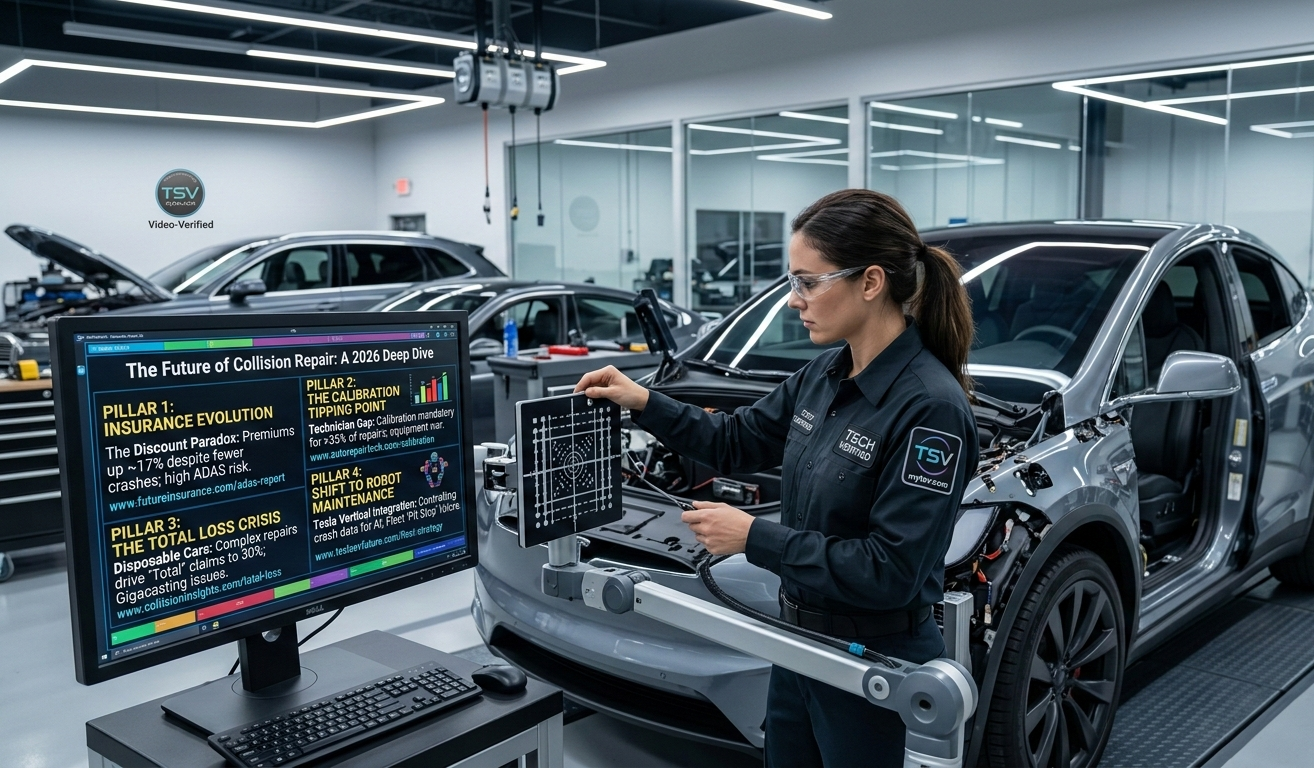
  • Collision Repair 2026: ADAS Paradox, Total Loss Surge & Rise of Robot-Driven Service Networks. Mytsv.com Intelligence

    New analysis from MyTSV.com reveals how ADAS, EVs, giga casting & AI fleets are reshaping insurance, repair economics and autonomous mobility.

    DEERFIELD, IL, UNITED STATES, March 12, 2026 /EINPresswire.com/ — The global collision repair industry has entered a structural transformation in 2026, shifting from a reactive mechanical trade into a data-centric pillar of the mobility economy. According to a new industry analysis published by MyTSV.com, advanced driver-assistance systems (ADAS), electrification, software-defined vehicles (SDVs), and autonomous fleets are fundamentally redefining insurance models, repair economics, and operational workflows.

    The full report, Strategic Realignment: The Future of Collision Repair 2026, is available at:
    [https://mytsv.com/blogs/strategic-realignment-the-future-of-collision-repair-2026](https://mytsv.com/blogs/strategic-realignment-the-future-of-collision-repair-2026)

    The ADAS Insurance Paradox

    As ADAS penetration accelerates toward 50% of the vehicle fleet by 2030, insurers are facing a paradox: accident frequency is declining, yet repair severity is surging.

    Vehicles equipped with technologies such as Front Automatic Emergency Braking and Blind Spot Monitoring show measurable reductions in collision claims. However, when accidents occur, repairs now involve high-cost sensors, radar modules, cameras, and specialized recalibration procedures.

    The result is a “frequency-severity divergence” that is pressuring traditional actuarial models and accelerating the shift toward real-time, data-driven underwriting and embedded insurance products offered directly by OEMs.


    The Calibration Tipping Point

    By 2026, ADAS calibration is no longer optional—it is mandatory in most modern repairs. Yet industry benchmarking reveals a widening “calibration gap,” where required recalibrations are not consistently identified on initial estimates.

    This operational strain is intensified by:

    * Escalating capital expenditures for diagnostic and calibration equipment
    * A projected shortage of 100,000 collision technicians
    * Increasing regulatory scrutiny surrounding calibration compliance

    Repair cycle times are extending, liability exposure is rising, and smaller independent shops are being pushed toward technological consolidation.

    The Total Loss Crisis & Gigacasting Reality

    Total loss frequency has reached record highs as repair costs intersect with rising vehicle complexity. However, new architectural approaches—such as gigacasting—are challenging early assumptions.

    Contrary to initial fears, research indicates that gigacasting can localize structural damage and reduce repair complexity in certain scenarios. Meanwhile, the growing prevalence of software-defined vehicles introduces new economic variables, where restoring proprietary software ecosystems may determine whether a vehicle is repairable or totaled.

    The Vertical Pivot: Autonomous Fleet Infrastructure

    Autonomous mobility operators are redefining repair as a vertically integrated function. Fleet-based models increasingly incorporate robotic maintenance systems, AI-driven diagnostics, and video-verified repair documentation to accelerate insurance approvals and reduce fraud.

    In this environment, collision repair facilities are evolving into high-tech infrastructure hubs responsible for maintaining the “eyes and ears” of connected vehicles.

    The Role of MyTSV.com in the Mobility Ecosystem

    MyTSV.com is a next-generation video business directory and digital authority platform connecting local service providers—including collision repair facilities—with customers through professional video verification, SEO-driven content, and multi-platform distribution.

    As the repair industry transitions toward data transparency and evidence-based documentation, MyTSV’s video-first model aligns with the sector’s growing emphasis on digital proof, calibration validation, and operational accountability.

    Businesses and industry stakeholders can explore the full analysis and related mobility insights at:
    [https://mytsv.com]

    Industry Outlook

    With the global collision repair market projected to exceed $256 billion, 2026 marks a consolidation phase where high-tech multi-shop operators, OEM-integrated networks, and data-enabled insurers will shape the competitive landscape.

    The industry is no longer simply repairing vehicles—it is safeguarding the integrity of advanced mobility systems.


    About MyTSV.com
    MyTSV.com is a U.S.-based video business directory and digital authority platform that connects local services with customers through professional video content, SEO infrastructure, and press distribution strategies.

    Mr Izzatov
    MYTSV
    +1 6302977501
    info@mytsv.com
    Visit us on social media:
    LinkedIn
    Instagram
    Facebook
    YouTube
    TikTok
    X

    Legal Disclaimer:

    EIN Presswire provides this news content “as is” without warranty of any kind. We do not accept any responsibility or liability
    for the accuracy, content, images, videos, licenses, completeness, legality, or reliability of the information contained in this
    article. If you have any complaints or copyright issues related to this article, kindly contact the author above.


  • Premier Auto Protect Explains Rising Auto Extended Car Warranty Demand Amid Repair Cost Inflation

    Premier Auto Protect explains how rising vehicle repair costs are leading more drivers to consider auto extended car warranty coverage.

    More drivers are looking for ways to manage unexpected expenses. Our goal is to provide coverage options that help make vehicle ownership more financially predictable.”
    — CEO

    NY, UNITED STATES, March 12, 2026 /EINPresswire.com/ — With many Americans holding onto vehicles longer and facing increasingly expensive repairs after factory coverage expires, the company says the conversation around vehicle protection has shifted from convenience to budget stability. For many households, the question is no longer whether repair costs can rise suddenly, but whether a surprise four-figure repair bill can fit into an already stretched monthly budget.

    Why This Trend Is Gaining Momentum

    Several market signals are helping explain the growing interest in auto extended car warranty coverage. The 2026 J.D. Power Vehicle Dependability Study reported an industry average of 204 problems per 100 vehicles, the highest level since the study’s 2022 redesign. Infotainment-related issues remained the most commonly reported problem area, underscoring how modern vehicles now blend traditional mechanical systems with increasingly expensive electronics and software-driven components.

    Consumers looking to compare protection options, review plan levels, or request a quote can visit https://premierautoprotect.com/.

    That matters to consumers because even non-catastrophic failures can result in repair estimates that disrupt a household’s financial plans. Transmission repairs, engine repairs, cooling-system failures, electronic module issues, and air-conditioning breakdowns can quickly add up to bills in the hundreds or thousands of dollars. On Premier Auto Protect‘s website, example repair-cost ranges shown for common problem areas include approximately $3,000 for transmission work, $4,000 for engine-related repairs, and $1,800 for air-conditioner and brake system repairs.

    At the same time, consumer sensitivity around the extended warranty industry has also increased. In late 2025, the Federal Trade Commission announced that it was sending more than $9.6 million in refunds to consumers who bought deceptively advertised vehicle service contracts from other providers. That enforcement activity has helped create a new consumer mindset in which buyers are not just looking for coverage, but for clarity, transparency, and realistic contract terms.

    Household Budgets Are Driving the Decision

    Premier Auto Protect notes that one of the biggest shifts in 2026 is the way consumers are framing their purchase decisions. Historically, some drivers viewed vehicle service contracts mainly as optional add-ons. Now, more buyers are evaluating them as a way to convert unpredictable repair exposure into a more predictable monthly expense, particularly for vehicles that are three to ten years old or have moved beyond the manufacturer’s original warranty period.

    This trend is especially relevant for used-vehicle owners, high-mileage commuters, families with one primary household vehicle, retirees on fixed incomes, and drivers of luxury, hybrid, and electric models. Those segments often face the highest exposure to out-of-pocket repair costs while also depending heavily on their vehicles for work, childcare, medical appointments, and day-to-day mobility.

    For electric and hybrid owners, the financial equation can become even more serious. Out-of-warranty battery-related systems, power electronics, and other EV-specific components can carry repair costs far above what many consumers expect. Even for gas-powered vehicles, the rise of advanced safety features, onboard computers, sensors, and digital interfaces means today’s repair environment is no longer limited to traditional nuts-and-bolts failures.

    How Premier Auto Protect Is Positioning Its Coverage

    According to the company, the current demand trend is not just about price. It is also about flexibility and confidence at the point of claim. Premier Auto Protect offers vehicle service contracts that can be used at any ASE-certified repair facility nationwide, giving consumers an alternative to dealership-only repair restrictions that may limit convenience or increase downtime.

    The company also offers multiple plan tiers, from basic powertrain coverage to broader exclusionary options, including specialized EV coverage for electric vehicles. Additional plan benefits include 24/7 roadside assistance, towing, rental car reimbursement, and trip interruption benefits, depending on the contract selected. Premier Auto Protect says its 30-day money-back guarantee is designed to give customers time to review contract terms and confirm that the selected coverage aligns with their vehicle, budget, and driving habits.

    What Consumers Are Looking for in 2026

    Based on broader market behavior and direct conversations with drivers, Premier Auto Protect says consumers researching auto extended car warranty plans in 2026 are increasingly focused on five decision factors:

    – Whether the coverage can help reduce exposure to major post-warranty repair bills.
    – Whether repairs can be completed at a trusted local ASE-certified facility.
    – Whether the contract clearly explains covered components, exclusions, and maintenance requirements.
    – Whether benefits such as roadside assistance and rental reimbursement are included.
    – Whether the provider demonstrates a transparent, consumer-first approach in a category receiving increased regulatory scrutiny.

    Premier Auto Protect believes those priorities will continue to shape the vehicle service contract market throughout 2026, as repair costs remain elevated, vehicles remain on the road longer, and households continue searching for ways to manage financial uncertainty without sacrificing mobility.

    About Premier Auto Protect

    Premier Auto Protect is a direct-to-consumer provider of vehicle service contracts for drivers across the United States. The company offers multiple coverage levels, including powertrain, stated-component, exclusionary, and EV-focused plans designed to help protect vehicle owners from unexpected repair expenses after factory warranties expire. Premier Auto Protect allows customers to use any ASE-certified repair facility nationwide and offers additional benefits, including roadside assistance, towing, rental car reimbursement, and a 30-day money-back guarantee on eligible plans. The company serves customers in all 50 states and provides protection options for traditional gas, hybrid, and electric vehicles.

    Press Relations
    Premier Auto Protect
    +1 (888) 501-0094
    email us here

    Legal Disclaimer:

    EIN Presswire provides this news content “as is” without warranty of any kind. We do not accept any responsibility or liability
    for the accuracy, content, images, videos, licenses, completeness, legality, or reliability of the information contained in this
    article. If you have any complaints or copyright issues related to this article, kindly contact the author above.

  • New Montech roller conveyors

    For custom-tailored conveyor solutions in logistics and production

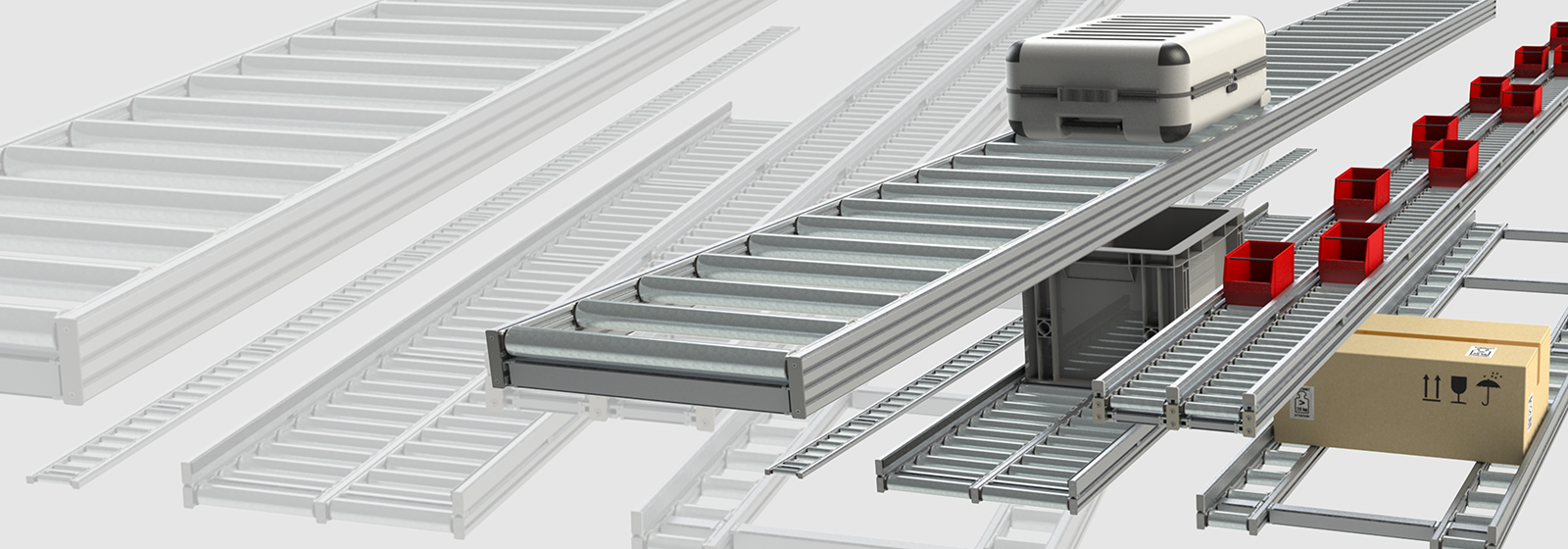
    CHARLOTTE, NC, UNITED STATES, March 12, 2026 /EINPresswire.com/ — Montech is launching the new RB4020 and RB5025 gravity roller conveyors, which can be precisely adapted to products, processes, and layouts. The modular system, available in various designs, fulfills all the requirements of modern conveyor technology and is fully compatible with existing Montech conveyor systems.

    Our new roller conveyors come in two sizes: the RB4020, with a 20-millimeter support roller, is ideal for smaller, lighter goods. In contrast, the RB5025 roller conveyor with a 50-mm support roller is suitable for larger, heavier products. Both variants are available in single-, double-, multi-, and tandem configurations.

    Unique advantage: Fully configurable system solution
    “In contrast to many competing products, Montech not only provides custom roller conveyors, but also a continuous, freely configurable system for maximum flexibility,” says Murat Simsir, CSO at Montech. “Our customers choose the conveyor width, roller spacing, and track length to the millimeter, without specifications, and precisely matched to the goods they are conveying. This means that several roller conveyors of different designs, sizes, and lengths can be combined to form a complete custom solution. Supplemented by side guides in various designs and a substructure built with the precise MPS aluminum framing system, the result is a fully configurable, integrated roller conveyor system. “This modular approach reduces planning effort, avoids interface problems, and ensures process reliability during operation,” says Murat Simsir.

    A wide range of applications, from logistics to the airport
    The new RB4020 and RB5025 roller conveyors are designed for a wide range of industries and applications. Typical applications include logistics, packaging, plastics processing, automotive, and order picking and shipping. The new gravity roller conveyors are also suitable for use at airports – for example, for security checks and luggage transport – as well as in e-commerce providers’ large distribution centers. “Thanks to their modular design, the systems can be integrated seamlessly into existing systems and extended at any time if required,” explains Murat Simsir.

    Short delivery time despite custom production
    Whether it is a compact single-track solution, a double-track roller conveyor for maximum load capacity, or a tandem version with a wide conveyor, each roller conveyor is manufactured individually. “Nevertheless, Montech guarantees a delivery time of just seven working days,” says Murat Simsir. This is possible thanks to the components’ high degree of standardization and the conveyor system’s modular design. Users receive custom-tailored conveyor technology delivered quickly and ready to use.

    Stefania Biffi
    Montech Conveyors Corp.
    +1 980-207-3622
    email us here
    Visit us on social media:
    LinkedIn
    Facebook
    YouTube

    Legal Disclaimer:

    EIN Presswire provides this news content “as is” without warranty of any kind. We do not accept any responsibility or liability
    for the accuracy, content, images, videos, licenses, completeness, legality, or reliability of the information contained in this
    article. If you have any complaints or copyright issues related to this article, kindly contact the author above.
  • Why Skid-Mounted Loading Arms Improve Installation Speed and Flexibility

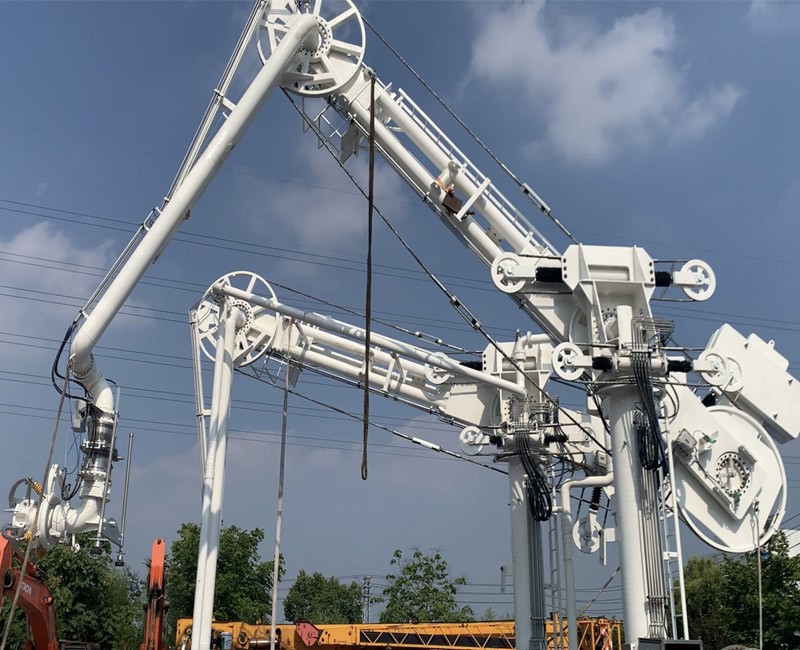
    LIANYUNGANG, JIANGSU, CHINA, March 12, 2026 /EINPresswire.com/ — As energy infrastructure projects worldwide face increasing pressure to shorten construction timelines and optimize capital efficiency, modular equipment solutions are becoming the preferred choice for terminal operators. In this context, the Skid-mounted loading arm package from China has emerged as a practical engineering innovation that significantly enhances installation speed, reduces on-site complexity, and improves long-term operational flexibility. Lianyungang Hechang Machinery Co., Ltd., a specialist in fluid loading and storage systems since 2009, is helping refineries, oil terminals, and LNG facilities accelerate project delivery through advanced skid-mounted loading arm solutions.

    Industry Demand for Faster Terminal Deployment

    Oil, chemical, and LNG infrastructure projects are increasingly developed under tight schedules and strict safety regulations. Conventional installation methods for loading arms often require extensive civil work, field welding, piping alignment, and coordination among multiple contractors. These processes can contribute to longer construction schedules and higher installation complexity.

    As energy logistics networks expand, project developers are examining modular equipment approaches that reduce field assembly and simplify project coordination. Skid-mounted loading arm systems represent one such approach, as a significant portion of fabrication and assembly work can be completed before delivery to the installation site.

    Structure of a Skid-Mounted Loading Arm System

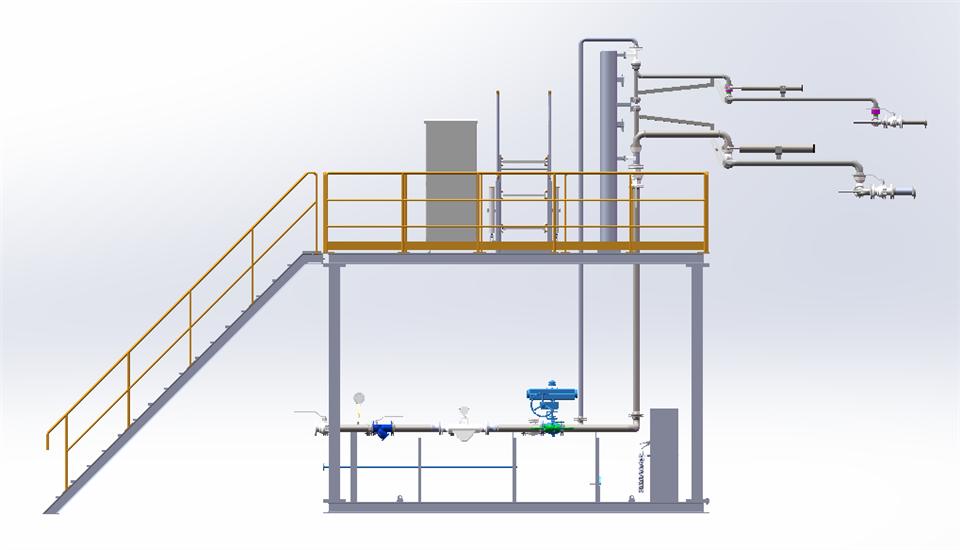
    A skid-mounted loading arm system generally consists of a pre-assembled equipment module built on a structural steel base. The module may include the loading arm assembly, piping, valves, instrumentation, control components, and structural support elements.

    Because these components are integrated during the manufacturing stage, installation at the project site typically focuses on positioning the skid, securing it to the foundation, and connecting utilities. This approach can reduce the amount of on-site fabrication work required during terminal construction.

    Skid-mounted configurations are applied to several types of loading equipment, including marine loading arms, tanker loading arms, cryogenic LNG loading systems, and automated loading arm installations.

    Factory Integration and Pre-Testing

    A key feature of skid-mounted systems is the high degree of factory integration. Fabrication, piping installation, wiring, and equipment alignment can be completed within controlled manufacturing environments prior to shipment.

    Pre-assembly at the manufacturing stage may also allow for inspection and functional testing of mechanical and control components before the equipment arrives at the project site. As a result, field installation activities are typically limited to placement, anchoring, and connection to plant utilities.

    This approach is often used to support projects that require faster commissioning or reduced field construction activity.

    Reduced On-Site Construction Work

    Construction sites at oil, chemical, and gas terminals often involve strict safety procedures and permit requirements for activities such as welding and hot work. Modular equipment can reduce the amount of work that must be performed under these conditions.

    Skid-mounted packages may help reduce the need for extensive field welding, temporary scaffolding, and complex multi-trade coordination. For projects located in remote or environmentally sensitive areas, reducing site work can also simplify project management.

    Simplified Commissioning Process

    Because skid-mounted equipment may be inspected and tested prior to shipment, the commissioning process can be more predictable compared with systems assembled entirely in the field. Functional testing conducted during manufacturing may include mechanical checks, valve operation verification, and instrumentation testing.

    At the project site, commissioning typically focuses on verifying connections, integrating the system with plant controls, and conducting operational tests before full service.

    Flexibility in Terminal Layout Planning

    In addition to installation efficiency, modular systems are sometimes selected for their adaptability in terminal design. Skid-mounted equipment can support modular terminal layouts in which additional loading positions or transfer units may be added as capacity requirements grow.

    This approach is sometimes used in storage terminals, chemical parks, and phased development projects where future expansion is anticipated.

    Equipment Mobility and Reconfiguration

    In certain industrial applications, equipment may need to be relocated or redeployed as operational requirements change. Modular skid-mounted systems can be removed and transported as complete units, which may simplify relocation compared with permanently assembled installations.

    This characteristic can be relevant for temporary facilities, phased projects, or infrastructure that may later be expanded or modified.

    Manufacturing and Project Experience

    Lianyungang Hechang Machinery Co., Ltd., established in 2009, manufactures loading and transfer equipment used in oil, chemical, gas, and energy handling systems. The company has participated in a large number of projects related to liquid transfer infrastructure in both domestic and international markets.

    Experience from installations in tank farms, marine terminals, and chemical facilities has contributed to the development of modular loading arm configurations designed for different operating environments.

    Equipment and System Scope

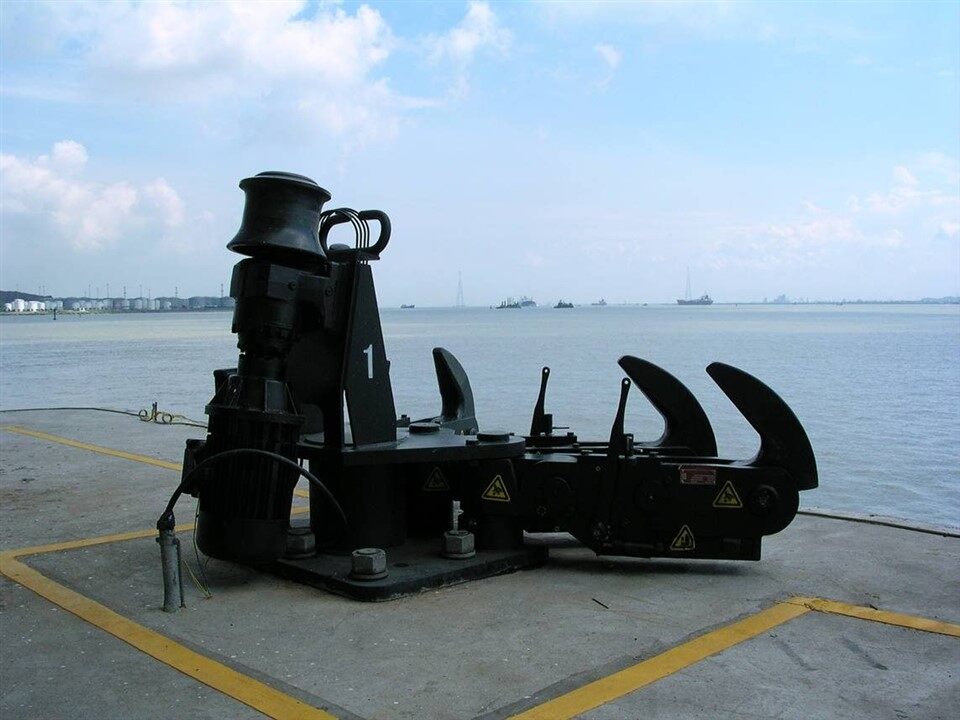
    The company’s equipment portfolio includes marine loading arms, tanker loading arms, automated loading systems, quantitative loading control equipment, quick release mooring hooks, gangways, hose handling systems, steel trestles, and floating pontoons.

    These systems are used in applications such as refineries, LNG receiving terminals, chemical industrial parks, storage facilities, and other industrial sites involving liquid transfer operations.

    Services Supporting Project Implementation

    Projects involving loading infrastructure typically require coordination across multiple engineering phases. Services associated with these projects may include technical consultation, engineering design, manufacturing, equipment inspection and testing, installation guidance, and maintenance support.

    Such services can support project planning, equipment integration, and operational reliability over the lifecycle of terminal facilities.

    Modularization in Energy Infrastructure Development

    Modular equipment strategies are increasingly discussed within the energy sector as project developers seek to reduce construction risk and manage project timelines. As infrastructure projects continue to evolve, skid-mounted equipment solutions may play a role in supporting more flexible and efficient installation approaches.

    About Lianyungang Hechang Machinery Co., Ltd.

    Established in 2009, Lianyungang Hechang Machinery Co., Ltd. focuses on equipment and system solutions related to loading, unloading, storage, and transportation processes for the oil, chemical, gas, and energy sectors. The company provides a range of loading arms and supporting terminal equipment used in industrial liquid transfer infrastructure.

    For more information, visit:
    https://www.chinaloadingarm.com/

    Lianyungang Hechang Machinery Co.,Ltd
    Lianyungang Hechang Machinery Co.,Ltd
    +86 152 6139 2066
    lyg_loadingarm@lyghechang.com

    Legal Disclaimer:

    EIN Presswire provides this news content “as is” without warranty of any kind. We do not accept any responsibility or liability
    for the accuracy, content, images, videos, licenses, completeness, legality, or reliability of the information contained in this
    article. If you have any complaints or copyright issues related to this article, kindly contact the author above.

  • Hydraulic and Mechanical Mooring Hooks: Performance Comparison for Ports

    LIANYUNGANG, JIANGSU, CHINA, March 12, 2026 /EINPresswire.com/ — In modern port operations, safe and efficient mooring systems are essential to maintaining terminal productivity and vessel security. As global energy logistics continue to scale, operators are increasingly evaluating the performance differences between hydraulic and mechanical solutions—especially when selecting quick release mooring hooks for ports that must perform reliably under high loads and harsh marine conditions. Against this backdrop, Lianyungang Hechang Machinery Co., Ltd. provides advanced mooring and fluid handling solutions designed to meet the evolving needs of oil, gas, chemical, and energy terminals worldwide.

    As global maritime infrastructure continues to modernize, terminal engineers and port authorities are paying closer attention to the performance characteristics of different mooring technologies. Quick release mooring hooks have become a critical component of berth safety systems, enabling vessels to be securely held under heavy loads while allowing rapid release in emergency situations.

    This industry analysis reviews the key differences between hydraulic and mechanical mooring hooks, examining their strength characteristics, operational reliability, safety performance, and lifecycle considerations.

    Growing Importance of Reliable Mooring Systems

    Mooring hooks are installed on jetties and berths to secure vessels during cargo transfer operations. Their core functions typically include:

    Maintaining mooring line tension under heavy loads

    Providing rapid emergency release capability

    Supporting load monitoring systems

    Integrating with modern port safety infrastructure

    Two primary technologies are widely used in today’s ports: mechanical quick release hooks and hydraulic quick release hooks. Each system offers different advantages depending on terminal operating conditions.

    Strength Performance Under Heavy Loads

    Mechanical mooring hooks generally rely on spring-loaded or manually actuated release mechanisms. Their strength performance is determined by factors such as structural material quality, casting or forging processes, latch design, and wear resistance of moving components. Because of their relatively simple structure, mechanical hooks are widely used in smaller terminals and general cargo ports.

    However, under high-frequency operations or heavy loads, mechanical systems may experience gradual performance degradation due to component wear, friction, and corrosion at pivot points.

    Hydraulic mooring hooks use hydraulic cylinders to control the release mechanism, providing more consistent release force regardless of the load condition. This design is particularly beneficial for large vessels and high-capacity terminals where mooring lines may carry extreme tension.

    Industry engineers note that hydraulic systems are commonly deployed in LNG terminals, crude oil ports, and large-scale energy berths where controlled strength and reliability are essential.

    Reliability in Marine Environments

    Marine environments expose port equipment to saltwater corrosion, humidity, and constant mechanical stress. Mechanical mooring hooks are valued for their structural simplicity and independence from external power sources, making them relatively easy to maintain.

    However, long-term exposure can lead to corrosion and increased friction within mechanical components if maintenance schedules are not strictly followed.

    Modern hydraulic mooring hooks have significantly improved reliability through sealed hydraulic circuits, marine-grade anti-corrosion coatings, and redundant release mechanisms. These systems also support remote operation and monitoring, which can reduce manual intervention during berth operations.

    Safety Integration in Modern Terminals

    Safety remains the primary driver behind the adoption of quick release mooring technology. Mechanical hooks provide basic emergency release capability, but their functionality is typically limited to local operation.

    Hydraulic mooring hooks offer more advanced safety features, including remote emergency release, integration with emergency shutdown (ESD) systems, load monitoring compatibility, and optional automatic release under overload conditions. These capabilities are particularly important in oil, chemical, and LNG terminals where rapid vessel disengagement may be required in emergency scenarios.

    Lifecycle and Maintenance Considerations

    From an operational perspective, mechanical mooring hooks are often favored for their lower initial cost and simple structure. However, they may require more frequent inspection and maintenance due to wear on mechanical components.

    Hydraulic mooring systems involve higher upfront investment but can offer longer service intervals and more predictable performance when supported by proper maintenance programs. In high-throughput terminals, the reduced downtime and operational stability often offset the initial equipment cost.

    Technology Selection Based on Terminal Requirements

    Industry practice suggests that the selection between mechanical and hydraulic mooring hooks typically depends on terminal size, vessel traffic frequency, and safety requirements.

    Mechanical systems are commonly used in smaller ports or general cargo berths with moderate operational loads. Hydraulic systems are increasingly preferred in large oil and gas terminals, LNG receiving facilities, and automated smart ports where safety integration and remote control capabilities are critical.

    With more than 2,000 clients served and over 6,000 projects delivered worldwide, Lianyungang Hechang Machinery Co., Ltd. has accumulated extensive experience supporting terminal operators in selecting suitable mooring infrastructure for their operational environments.

    Supporting the Future of Safer Port Infrastructure

    As global maritime trade continues to expand and port automation accelerates, mooring systems are expected to play an increasingly strategic role in berth safety and operational efficiency.

    Through continuous engineering innovation and comprehensive lifecycle service capabilities, Lianyungang Hechang Machinery Co., Ltd. continues to support ports and energy terminals worldwide in building safer, more reliable mooring and fluid transfer infrastructure.

    For more information, please visit:
    https://www.chinaloadingarm.com/

    Lianyungang Hechang Machinery Co.,Ltd
    Lianyungang Hechang Machinery Co.,Ltd
    +86 152 6139 2066
    lyg_loadingarm@lyghechang.com

    Legal Disclaimer:

    EIN Presswire provides this news content “as is” without warranty of any kind. We do not accept any responsibility or liability
    for the accuracy, content, images, videos, licenses, completeness, legality, or reliability of the information contained in this
    article. If you have any complaints or copyright issues related to this article, kindly contact the author above.
  • Global Ports Increasingly Adopt China-Built Ship-to-Shore Marine Loading Arms as Safety and Efficiency Standards Rise

    LIANYUNGANG, JIANGSU, CHINA, March 12, 2026 /EINPresswire.com/ — As global maritime logistics becomes more demanding and safety regulations tighten, port operators are re-evaluating the reliability and performance of their fluid transfer infrastructure. In this evolving landscape, the Ship-to-shore marine loading arm supplied from China has gained significant international recognition for combining cost efficiency with robust engineering. Lianyungang Hechang Machinery Co., Ltd., founded in 2009, has emerged as a trusted partner for ports, refineries, and energy terminals seeking advanced loading, unloading, and storage & transportation system solutions across the oil, chemical, gas, and energy sectors.

    According to industry observers, the rapid growth of global crude oil and LNG trade, combined with increasingly strict environmental and safety standards, is accelerating the modernization of port liquid-handling infrastructure. Many ports are replacing traditional hose-based transfer systems with purpose-engineered marine loading arms that provide greater operational stability, safety protection, and automation capabilities.

    With full life-cycle service capabilities—from technical consulting and engineering design to equipment manufacturing, inspection and testing, on-site installation guidance, and after-sales maintenance—Hechang has supported more than 2,000 clients worldwide and delivered over 6,000 projects. Its marine loading arms and integrated terminal equipment are now widely used in port infrastructure upgrades and energy terminal expansions.

    Rising Operational Demands Across Global Ports

    Today’s major ports face growing pressure to improve throughput while maintaining strict safety and environmental compliance. Several structural trends are reshaping equipment requirements for liquid terminals:

    Rapid expansion in global crude oil and LNG transportation

    Increasing deployment of mega-capacity tanker vessels

    Stricter international safety and emission standards

    Higher labor and maintenance costs

    Accelerating digitalization and automation of port operations

    These trends have led port operators to adopt advanced loading arm systems designed for high-volume, high-reliability liquid transfer operations.

    Engineering Reliability Supporting Harsh Marine Environments

    Marine loading arms must operate reliably under challenging conditions such as tidal movements, saltwater corrosion, and continuous heavy-duty use. Hechang’s systems are designed with high-strength structural components, precision swivel joint technology, corrosion-resistant materials, and multi-range motion capability to ensure stable performance across demanding marine environments.

    Industry analysts note that equipment reliability and service support remain key factors in port procurement decisions. With thousands of successful installations worldwide, Hechang’s engineering experience has strengthened confidence among terminal operators and EPC contractors.

    Lifecycle Value Driving Equipment Selection

    Beyond initial investment costs, port operators increasingly evaluate equipment based on long-term lifecycle performance. Hechang’s marine loading arms are engineered to support durable operation, lower maintenance frequency, and optimized energy consumption, helping terminals reduce total cost of ownership across long operating cycles.

    For high-throughput terminals handling large daily volumes of crude oil, chemicals, or liquefied gases, lifecycle efficiency can generate significant operational savings.

    Smart Automation Supporting Next-Generation Ports

    Automation is becoming a defining feature of modern energy terminals. To support this transition, Hechang integrates intelligent technologies into its loading systems, including automatic alignment mechanisms, fully automated loading solutions, quantitative loading control systems, and flexible pneumatic, electric, or hydraulic drive configurations.

    These features help reduce manual intervention, improve positioning accuracy, and shorten vessel turnaround time, enabling ports to improve operational efficiency.

    Certifications Strengthening International Trust

    Quality assurance remains a critical factor for global infrastructure projects. Hechang operates under internationally recognized management systems, including:

    ISO9001 Quality Management System

    ISO14001 Environmental Management System

    ISO45001 Occupational Health and Safety Management System

    These certifications demonstrate that the company’s engineering, manufacturing, and service processes align with international standards, helping reduce procurement risk for global customers.

    Expanding Industry Engagement

    Hechang also maintains active participation in major international petroleum and offshore engineering exhibitions, including the China International Petroleum & Petrochemical Technology and Equipment Exhibition (CIPPE), the Beijing International Offshore Engineering Technology & Equipment Exhibition, and the China Sourcing Summit on Petroleum & Chemical Equipment (CSSOPE).

    Through these events, the company exchanges technical insights with industry partners and continues refining its product solutions based on evolving market requirements.

    Integrated Solutions for Modern Liquid Terminals

    In addition to marine loading arms, Hechang provides a full range of integrated terminal equipment, including tanker loading arms, automatic loading systems, quantitative loading control systems, quick release hooks, gangways, hose handling systems, steel trestles, and floating pontoons. This integrated approach allows ports and terminals to streamline project implementation while reducing interface complexity across multiple suppliers.

    Supporting the Future of Global Energy Logistics

    As global energy trade continues to expand and ports pursue higher levels of automation and safety performance, the demand for advanced marine loading technologies is expected to grow steadily.

    By combining mechanical engineering expertise, intelligent automation, and comprehensive service capabilities, Lianyungang Hechang Machinery Co., Ltd. continues to strengthen its role as a global partner for modern port infrastructure development.

    For more information about Hechang’s marine loading arm solutions and integrated terminal equipment, visit:
    https://www.chinaloadingarm.com/

    Lianyungang Hechang Machinery Co.,Ltd
    Lianyungang Hechang Machinery Co.,Ltd
    +86 152 6139 2066
    lyg_loadingarm@lyghechang.com

    Legal Disclaimer:

    EIN Presswire provides this news content “as is” without warranty of any kind. We do not accept any responsibility or liability
    for the accuracy, content, images, videos, licenses, completeness, legality, or reliability of the information contained in this
    article. If you have any complaints or copyright issues related to this article, kindly contact the author above.

  • Jay the Wrap Specialist Expands to 200+ Premium Wrap Colors, One of Two Texas Shops with Exclusive PWF Access

    Houston-based wrap specialist now offers premium films rated for 7+ years in Texas heat, quadrupling color options for luxury vehicle owners.

    HOUSTON, TX, UNITED STATES, March 12, 2026 /EINPresswire.com/ — Houston vehicle wrap specialist Jay the Wrap Specialist has expanded its premium vinyl wrap offerings to more than 200 color options across six industry-leading brands, positioning the shop as one of only two authorized Platinum Wrapping Film (PWF) dealers in Texas. The expansion addresses growing demand from Houston luxury vehicle owners seeking exclusive finishes and extended durability in the region’s harsh climate.

    The enhanced material selection includes exclusive access to PWF’s limited-distribution films, Italian manufacturer Evolv’s nearly 20 chameleon wrap colors, 3M’s paint-like high-gloss 2080 Series, Avery Dennison’s SW900 line, Hexis chrome finishes, and KPMF’s color-shift options. The move quadruples Jay the Wrap Specialist’s previous selection of approximately 50 colors, giving customers access to finishes unavailable at most Houston wrap shops.

    Beyond aesthetics, the premium materials deliver significant durability improvements critical for Texas vehicle owners. Standard vinyl wraps typically fade within three years under Houston’s intense UV exposure and heat, but the new premium film lineup carries manufacturer ratings of seven years or longer, even in extreme conditions. Chrome mirror finishes, previously limited to three- to five-year lifespans, now maintain their reflective quality for seven-plus years with proper maintenance.

    Jay the Wrap Specialist in Houston, TX achieved Avery Dennison certification, recognized as one of the most difficult installer credentials to earn in the vehicle wrap industry. The certification validates the shop’s technical expertise with high-performance materials and ensures customers receive manufacturer-backed warranties. Combined with PWF’s exclusive dealer authorization—limited to just two shops statewide—the certifications position the business among Houston’s most qualified wrap specialists.

    “Houston’s heat and UV exposure can fade standard wraps in three years, but these premium films are rated for seven-plus years even in Texas conditions,” said Jay, founder of Jay the Wrap Specialist. “Our customers invest in luxury vehicles and expect wraps that protect their investment long-term while delivering finishes no other shop can access.”

    The expansion responds to Houston’s growing luxury vehicle market and demand from the shop’s 4 million social media followers, who regularly request premium color-shift and chrome options. PWF’s exclusive line includes colors unavailable through standard distribution channels, while Evolv’s Italian-engineered films provide what the shop describes as the highest-quality gloss finish on the market. Hexis chrome wraps deliver superior mirror finishes with clean removal characteristics, and KPMF’s color-shift options create depth and dimension that photographs cannot fully capture.

    The material upgrade complements Jay the Wrap Specialist’s existing services, which include paint protection film, ceramic coating, and commercial fleet wraps. The shop operates from its Sugar Land facility and serves the greater Houston area, including Memorial, River Oaks, The Woodlands, and surrounding communities.

    About Jay the Wrap Specialist
    Jay the Wrap Specialist is a Houston-based vehicle wrap specialist serving luxury and commercial vehicle owners throughout the greater Houston area. Founded by Jay, the business has built a social media following of more than 4 million across platforms with over 2 billion views. The shop specializes in premium vinyl wraps, paint protection film, ceramic coatings, and commercial fleet graphics. For more information, visit https://jaythewrapspecialist.com.

    ###
    Media Contact
    Jay The Wrap Specialist
    Address: 10555 Synott Rd B-700, Sugar Land, TX 77498
    Phone: (346) 245‑4998
    Website: https://jaythewrapspecialist.com/

    Jay
    Jay the Wrap Specialist
    (346) 245-4998
    sales@wrapleaders.com

    Legal Disclaimer:

    EIN Presswire provides this news content “as is” without warranty of any kind. We do not accept any responsibility or liability
    for the accuracy, content, images, videos, licenses, completeness, legality, or reliability of the information contained in this
    article. If you have any complaints or copyright issues related to this article, kindly contact the author above.
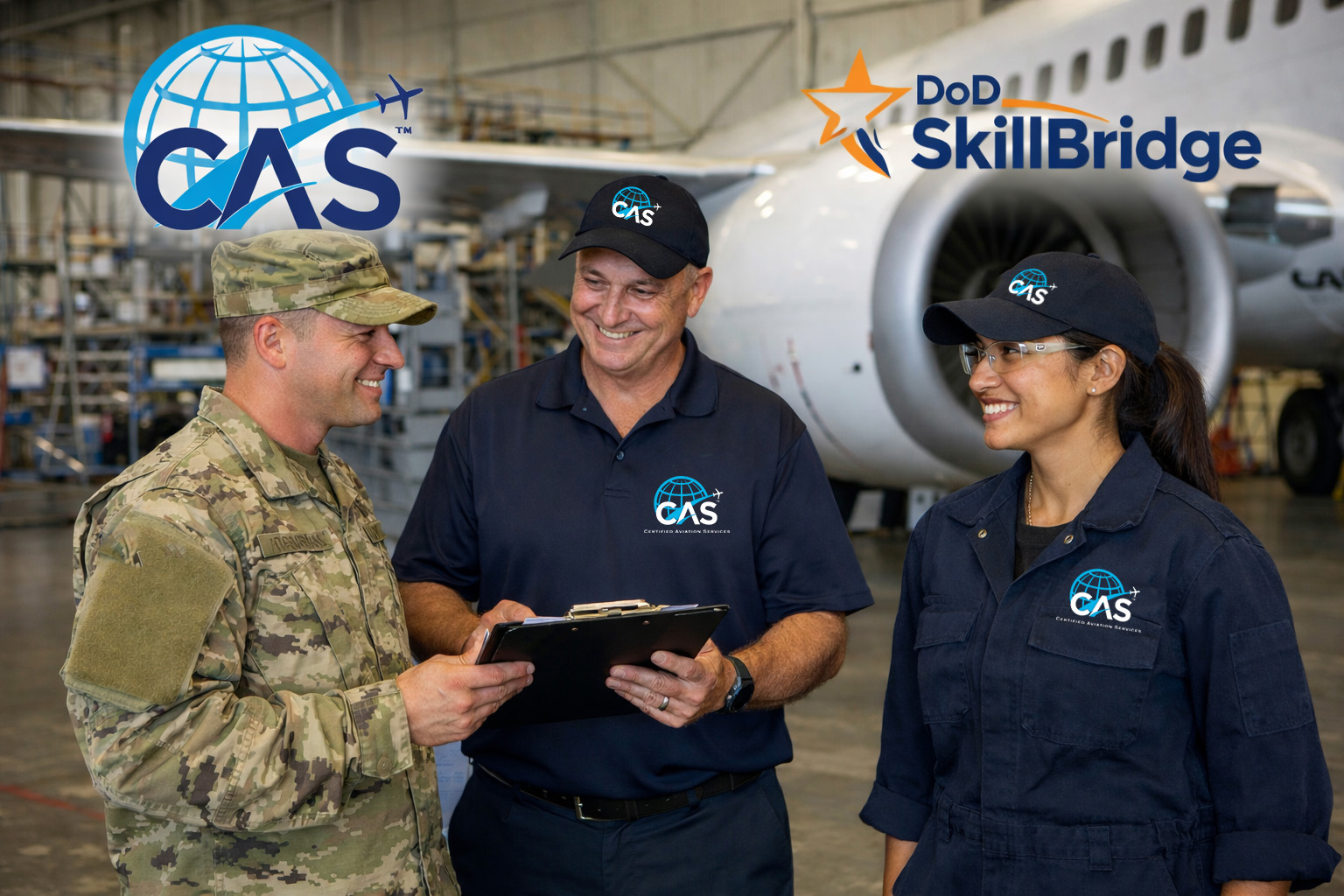
  • Certified Aviation Services Recognized by Department of Defense as Approved SkillBridge Industry Partner

    Program will provide transitioning service members with hands-on exposure to civilian aviation maintenance operations

    ONTARIO, CA, UNITED STATES, March 11, 2026 /EINPresswire.com/ — Certified Aviation Services, LLC (CAS), a leader in aviation maintenance, repair, and overhaul (MRO) services, today announced it has been recognized by the U.S. Department of Defense (DoD) as an approved SkillBridge industry partner. Through the DoD SkillBridge program, CAS will support transitioning military personnel by providing hands-on exposure to civilian aviation maintenance operations, helping participants expand their knowledge and skills while preparing for life after military service.

    The initiative reflects CAS’s continued commitment to service members as they transition into civilian careers, while also enabling CAS teams to benefit from the discipline, professionalism, and operational mindset that military members bring during their time with the company.
    “Certified Aviation Services is proud to support the men and women who have served our country,” said Brad Caban, CEO of CAS. “Becoming an approved SkillBridge industry partner allows us to create meaningful pathways into aviation maintenance careers while strengthening our workforce with individuals who understand mission readiness, safety, and teamwork.”

    SkillBridge participants placed with CAS will gain practical experience alongside CAS professionals, with exposure to real-world maintenance environments and operational standards that support airline and OEM customers. The program is designed to complement military experience by translating service-earned strengths into civilian aviation maintenance skills and career opportunities.

    “SkillBridge is a win-win,” said Tim Kleckner, Director of Operations at CAS “Service members gain valuable experience and a clearer view of aviation career paths, and our teams benefit from the maturity, structure, and commitment to excellence that service members consistently bring to the workplace.”

    CAS expects the SkillBridge partnership to contribute to long-term talent development across its operations, supporting both workforce readiness and continued service to customers with uncompromising standards for quality and safety. Service members interested in SkillBridge opportunities with Certified Aviation Services should coordinate with their installation’s SkillBridge representative and locate CAS within the Department of Defense SkillBridge portal to begin the application process.

    About Certified Aviation Services (CAS)
    Certified Aviation Services, LLC (CAS) is a trusted aviation MRO provider delivering safety-driven, high-quality maintenance solutions that keep fleets operating with minimal downtime. With 15+ line maintenance stations serving 70+ airline and OEM customers, CAS provides comprehensive Line Maintenance support—from routine inspections and RON maintenance to aircraft movement services and brake rides—while its global AOG Go-Team deploys rapidly to restore operations during critical events. Anchoring these capabilities is CAS’s Birmingham (BHM) narrow-body hangar, which expands our capacity for coordinated AOG response, structural and maintenance support, and scheduled routine checks including A checks and C checks. CAS also offers Cyclean® engine wash services to help operators enhance performance and efficiency while supporting sustainability goals, reinforcing CAS’s commitment to consistent, responsive service built on Safety, Quality, and Excellence.

    Dana Batarseh
    Certified Aviation Services, LLC
    dbata@certifiedaviation.com
    Visit us on social media:
    LinkedIn
    Instagram

    Legal Disclaimer:

    EIN Presswire provides this news content “as is” without warranty of any kind. We do not accept any responsibility or liability
    for the accuracy, content, images, videos, licenses, completeness, legality, or reliability of the information contained in this
    article. If you have any complaints or copyright issues related to this article, kindly contact the author above.

  • Premier Auto Protect Highlights Aging U.S. Fleet (12.8-Year Average) as Drivers Reconsider an Extended Car Warranty

    Premier Auto Protect highlights how longer ownership cycles are prompting drivers to explore extended car warranty coverage.

    As vehicles stay on the road longer, many drivers face repair costs outside factory coverage. We aim to help owners understand coverage options as vehicles age.”
    — CEO

    NY, UNITED STATES, March 11, 2026 /EINPresswire.com/ — Premier Auto Protect, a direct-to-consumer provider of vehicle service contracts (often referred to as extended auto warranties), is highlighting a fast-moving reality of ownership: Americans are keeping vehicles longer, and more drivers are navigating the high-cost “post-factory-warranty” years.

    According to analysis published by S&P Global Mobility, the average age of U.S. light vehicles rose to 12.8 years in 2025, reflecting a growing share of older vehicles in operation. As vehicles age, the likelihood of expensive component failures rises—especially for owners of used vehicles with limited history, high-mileage commuters, and households that depend on a single vehicle for work and family logistics.

    Why the post-factory-warranty period is getting more attention

    Older fleet dynamics increase exposure to out-of-pocket repair shocks. As the vehicle fleet ages, more owners face repairs that occur outside manufacturer warranty coverage. S&P Global Mobility attributes the trend to factors including elevated vehicle prices and economic uncertainty, while also noting that registrations rebounded in 2024 but did not offset the volume of aged vehicles on the road.

    Modern vehicles are more complex to diagnose and repair. Even when a repair is not catastrophic, today’s vehicles rely on densely integrated mechanical systems, software, and electronic modules. That can increase diagnostic time and parts costs—especially in the years after factory coverage ends, when owners typically begin to see higher-frequency wear-related failures and age-related component issues.

    Used-car ownership has become a bigger financial commitment. With consumers holding vehicles longer, many drivers are entering the market after years away and may experience sticker shock, then keep their next vehicle for a longer ownership cycle. Over a longer cycle, the odds of facing an expensive repair—engine, transmission, cooling, air conditioning, steering, or electronics—generally increase.

    What an extended car warranty means in practice

    In consumer terms, an “extended car warranty” is often a vehicle service contract (VSC) that may help cover the cost of certain mechanical breakdown repairs after a manufacturer’s warranty expires, subject to contract terms, exclusions, deductibles, eligibility requirements, and a claims authorization process. VSCs can vary widely in what they cover and how repairs are handled, which is why buyers are encouraged to read the full agreement and understand limitations before enrolling.

    Premier Auto Protect offers multiple coverage tiers—from basic Powertrain protection to more comprehensive Exclusionary (near-bumper-to-bumper) options—along with an EV-focused Exclusionary option designed for electric-vehicle components. Across plans, the company says customers may use any ASE-certified repair facility nationwide and review their agreement during a 30-day money-back guarantee period.

    Practical checklist: three questions drivers can ask before purchasing coverage

    What exactly is covered—and what is excluded? Compare “stated component” plans (which list covered parts) versus “exclusionary” plans (which cover most items except listed exclusions). Confirm whether high-cost electronics or comfort/safety systems are included for your vehicle type.
    Where can repairs be performed? Some contracts restrict repairs to specific networks or dealerships. Others allow repairs at reputable independent facilities. Ask how repair locations are approved and whether pre-authorization is required.
    How do claims and payments work? Understand the steps for diagnosis, authorization, and payment (including deductibles), as well as any documentation requirements, such as maintenance records.

    As vehicles age, drivers researching extended car warranty options can find educational resources from Premier Auto Protect outlining common coverage tiers, repair-facility flexibility, and contract review considerations. Learn more at https://premierautoprotect.com/.

    About Premier Auto Protect

    Premier Auto Protect is a direct-to-consumer provider of vehicle service contracts (VSCs), commonly known as extended auto warranties. The company offers customizable coverage options designed to help protect drivers from unexpected repair costs after manufacturer warranties expire, with repair flexibility at ASE-certified facilities nationwide. Coverage availability, terms, exclusions, and eligibility vary by vehicle and contract.

    Press Relations
    Premier Auto Protect
    +1 (888) 501-0094
    email us here

    Legal Disclaimer:

    EIN Presswire provides this news content “as is” without warranty of any kind. We do not accept any responsibility or liability
    for the accuracy, content, images, videos, licenses, completeness, legality, or reliability of the information contained in this
    article. If you have any complaints or copyright issues related to this article, kindly contact the author above.
  • Express Oil Change & Tire Engineers Opens New State-of-the-Art Northport, Alabama Location

    This is the brand’s newest location in the Tuscaloosa County area, extending Express Oil Change & Tire Engineers’ convenient and dependable service in Alabama.

    NORTHPORT, AL, UNITED STATES, March 11, 2026 /EINPresswire.com/ — Express Oil Change & Tire Engineers, a leading provider of quick oil change services, routine automotive maintenance, and tire services, announces the opening of its new Northport, Alabama location at 2513 Lurleen B Wallace Blvd., Northport, AL 35476. This is the brand’s newest location in the greater Tuscaloosa County area, extending Express Oil Change & Tire Engineers’ convenient and dependable service in Alabama.

    The new Express Oil Change & Tire Engineers store at 2513 Lurleen B Wallace Blvd. offers a variety of automotive services to keep customers’ vehicles safely on the road and running as they should. In addition to quick, convenient, and reliable oil changes, the certified technicians at the new location provide a full suite of auto maintenance and repair services, including:

    • Wheel alignments and tire repair and rotation
    • Battery testing and replacement
    • Drivetrain diagnostics and service
    • Cooling system service and repair
    • Brake pad inspection and replacement
    • Belt, hose, and filter inspection and replacement
    • Factory-recommended maintenance
    • And much more

    With convenient hours, competitive pricing, and fast, friendly service, the new Express Oil Change & Tire Engineers location in Northport, Alabama is dedicated to giving each customer the assurance that their vehicle is well-maintained by providing the highest quality automotive products and services delivered quickly and conveniently in a superior environment by a professional staff emphasizing integrity in every action. New customers can receive significant discounts on full-service oil changes, brake service, tires, and more for a limited time.

    Visit the new Express Oil Change & Tire Engineers in Northport today to experience the Express Oil Change & Tire Engineers difference and keep your car performing at its best! Dependable people depend on Express Oil Change & Tire Engineers.

    ABOUT EXPRESS OIL CHANGE & TIRE ENGINEERS
    Founded in 1979 with a single store in Birmingham, Ala., Express Oil Change & Tire Engineers has grown into a national leader in automotive service with more than 400 stores across the country. The Express Oil Change & Tire Engineers brand remains synonymous with convenient, high-quality automotive service at warp speed and at a great price. For more information, visit www.expressoil.com.

    Express Oil Change & Tire Engineers is part of the Mavis Tire Express Services Corp. (“Mavis”) family of brands. For more information about Mavis or its family of automotive brands, visit www.mavis.com.

    Jeff Dillow
    Pavone
    jdillow@pavone.net
    Visit us on social media:
    LinkedIn
    Instagram
    Facebook
    YouTube

    Legal Disclaimer:

    EIN Presswire provides this news content “as is” without warranty of any kind. We do not accept any responsibility or liability
    for the accuracy, content, images, videos, licenses, completeness, legality, or reliability of the information contained in this
    article. If you have any complaints or copyright issues related to this article, kindly contact the author above.